
Packera paupercula
Packera paupercula
Description
Growing requirements
Packera paupercula, commonly referred to as the balsam groundsel, is a herbaceous perennial belonging to the Asteraceae family. This species is native to North America and is botanically recognized for its distinct evolutionary path, having been historically grouped under the genus Senecio.
The plant is typically found in diverse environments including limestone barrens, dry to moist prairies, and rocky outcrops. Its ability to colonize such varied terrains demonstrates its significant ecological adaptation and its potential for specialized ornamental landscaping in temperate climates.
Successful cultivation requires soil that mimics its natural habitat: well-drained, slightly alkaline or neutral, and typically low in heavy organic matter. Full sun is critical for the plant to thrive; partial shade often results in etiolated growth and a reduction in the abundance of flowers.
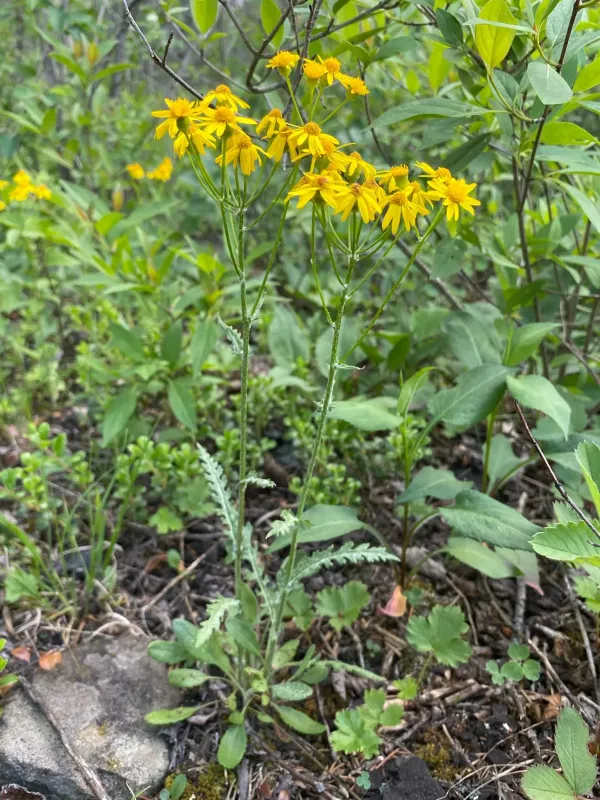
The plant grows in basal rosettes with slender stems rising during the flowering season, topped with clusters of bright yellow daisy-like flower heads. The foliage is generally glabrous or sparsely pubescent, adding to the structural interest of the plant in garden settings before and after blooming.
In terms of agricultural and horticultural use, Packera paupercula serves primarily as a native plant species for ecological restoration and xeriscaping. It provides essential nectar for local pollinator populations and contributes to the stabilization of soil in challenging garden environments.
Main diseases and pests
While generally hardy, the balsam groundsel can be susceptible to common fungal pathogens if air circulation is poor or if the soil remains waterlogged. Preventing root rot requires careful attention to soil drainage and ensuring that the crown of the plant is not buried too deeply during transplanting.
Insects like aphids can occasionally affect the developing flower buds during the spring. Monitoring is recommended, and if an infestation is detected, mechanical removal or mild insecticidal soaps are usually sufficient to manage the issue without disrupting the local ecosystem.