
Ozothamnus diotophyllus
Ozothamnus diotophyllus (F. Muell.) Anderb.
Description
Growing requirements
Ozothamnus diotophyllus is a distinctive shrub species belonging to the Asteraceae family. Native to the arid regions of Australia, this plant has evolved to thrive in nutrient-poor environments where water availability is frequently limited throughout the year.
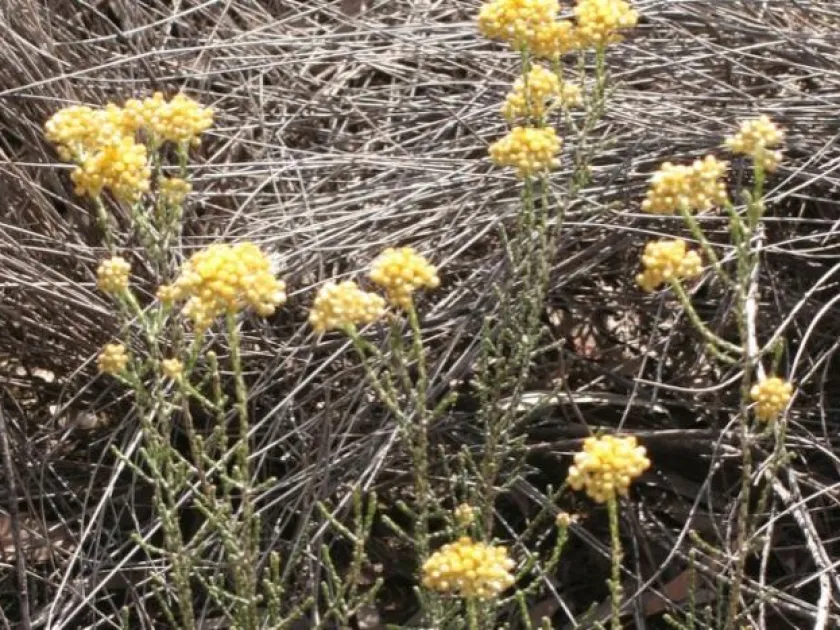
Botanically, the plant is characterized by its woody stems and small, often leathery leaves covered with tiny hairs or glands, which help the plant conserve water. These structural adaptations are essential for its survival in harsh, sun-drenched habitats where evaporation rates are high.
Cultivation requirements necessitate well-drained, sandy or rocky soil conditions to prevent root rot. Agricultural success with this species depends heavily on maintaining excellent soil aeration, as the plant is highly sensitive to waterlogging and poor soil oxygenation.
In terms of climate, the species prefers warm, sunny exposures and is well-adapted to Mediterranean-style climates with dry summers. It requires minimal fertilization and performs poorly in high-nitrogen substrates, which can lead to rapid, weak growth prone to lodging.
The primary economic use of this plant is found in the nursery and cut-flower industries. It is highly valued as a dried flower product due to its structural longevity and the unique texture of its inflorescences, which maintain their aesthetic appeal for an extended period.
Main diseases and pests
The most significant threats to the health of Ozothamnus diotophyllus include various root pathogens, primarily caused by fungal infections. These pathogens thrive when the root system is exposed to excess moisture, making careful irrigation management the most critical aspect of plant care.
Pests such as scale insects and aphids may occasionally affect the foliage, particularly in greenhouse or nursery conditions. Implementing a regular monitoring program and ensuring adequate spacing between plants to improve airflow can significantly reduce the incidence of pest outbreaks.