
Ozothamnus diosmifolius
Ozothamnus diosmifolius (Vent) DC.
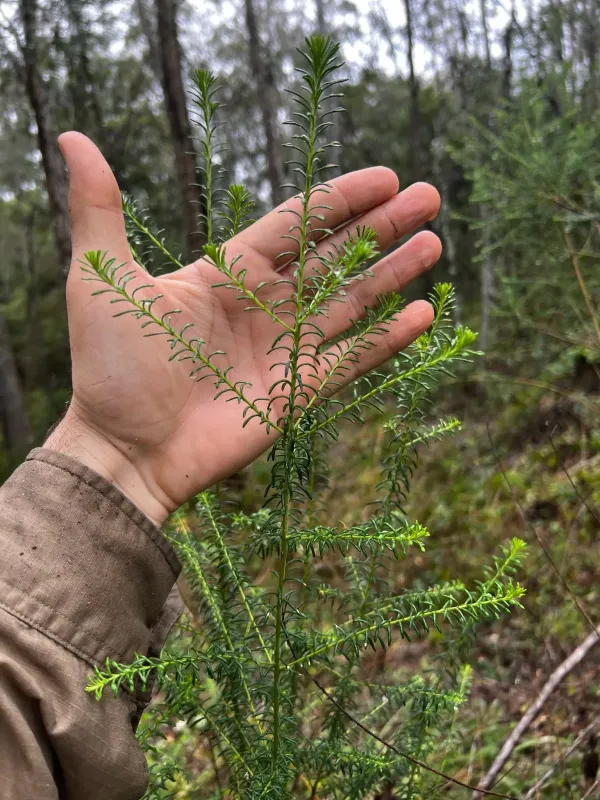
Description
Sowing dates
Propagation of Ozothamnus diosmifolius, commonly known as rice flower, is primarily achieved through seeds or semi-hardwood cuttings.
Seeds are sown in a well-draining, lightweight medium, ideally during early spring, to take advantage of natural increases in day length.
When using cuttings, it is essential to maintain high humidity levels to facilitate root formation, typically performed in a controlled greenhouse environment.
The seeds should be sown shallowly, as many species within the Asteraceae family require light for successful germination and emergence.
Proper sanitation of the growing environment is crucial during the propagation stage to prevent the damping-off of young seedlings.
Growing requirements
Ozothamnus diosmifolius is native to Australia, requiring full sun exposure and excellent air circulation to thrive as a healthy crop.
The plant demands well-drained, acidic to neutral soils; it is highly intolerant of waterlogged conditions, which lead to root rot.
Climate management is vital, as the species prefers moderate temperatures and is sensitive to extreme frost or prolonged high humidity.
Watering must be precise; moderate irrigation during the active growth phase is sufficient, while reducing moisture levels in cooler months.
Adequate spacing between plants is required to ensure enough airflow, preventing the development of fungal diseases caused by moisture trapped in the foliage.
Yield
The commercial yield of rice flower is defined by the number of high-quality flowering stems produced per bush each season.
Regular pruning immediately after the flowering period is necessary to encourage bushiness and increase the potential for bloom in the following year.
Balanced fertilization, avoiding excessive phosphorous, helps maintain the longevity and vigor of the plants over several harvest seasons.
Yield stability is heavily influenced by the ability to control environmental conditions, particularly preventing moisture stress during peak flowering.
Productivity also relies on selecting improved cultivars known for uniform growth and high resistance to common field diseases.
Main diseases and pests
Root rot, driven by poor drainage and excessive irrigation, remains the primary threat to the health and survival of Ozothamnus plantations.
Pests such as spider mites and aphids are frequently observed, especially in greenhouse conditions where low humidity favors their rapid population growth.
Preventative fungicide applications are recommended during high-risk periods, such as seasons with prolonged rainfall or high humidity levels.
Integrated pest management (IPM) practices, including the use of beneficial insects, are highly recommended to minimize chemical reliance.
Early identification of pest infestations allows for targeted treatments, which are much more effective than broad-spectrum emergency interventions.
Harvesting
Stems should be harvested in the early morning when the plants are fully turgid, ensuring the longest possible vase life for the cut flowers.
Using sterilized shears is non-negotiable to maintain the health of the mother plants and prevent the spread of soil-borne pathogens.
After cutting, stems must be processed immediately by placing them in clean water with a floral preservative to prevent bacterial buildup.
Grading the harvested stems according to length and head quality is standard practice to meet market requirements for floral design use.
Harvested material should be moved to a cool, shaded facility as quickly as possible to preserve its aesthetic qualities for transport.