
Nidorella hottentotica
Nidorella hottentotica
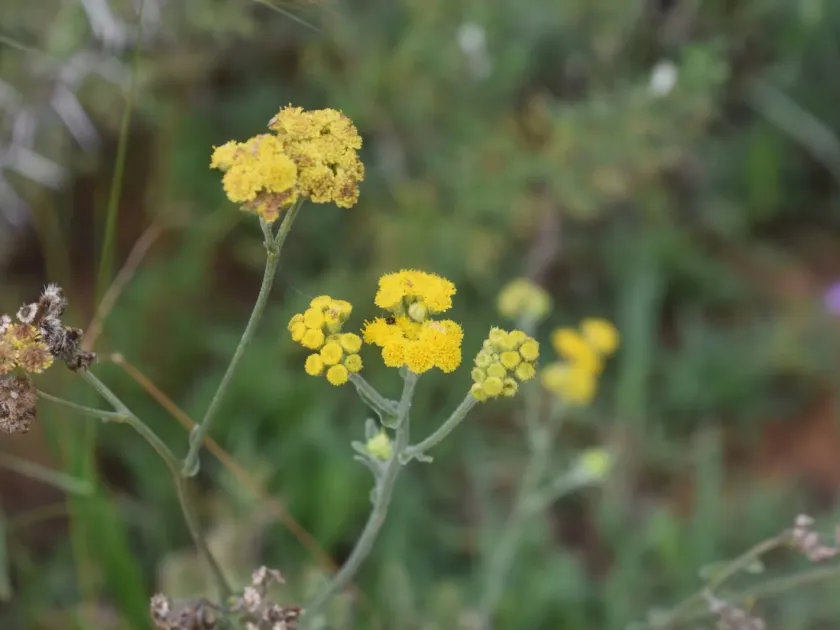
Description
Growing requirements
Nidorella hottentotica is a perennial herbaceous plant belonging to the Asteraceae family. Originating from Southern Africa, it is known for its adaptation to specific arid and semi-arid conditions of the region.
This crop requires well-drained, sandy, or loamy soil types to prevent root rot. It thrives in locations with high sunlight exposure, which is critical for its development and the accumulation of secondary metabolites.
The climate requirements involve warm temperatures with moderate rainfall. While the plant is drought-tolerant, its commercial yield is significantly improved with consistent moisture levels during the active vegetative stage.
Soil pH should ideally be neutral or slightly acidic. Proper soil preparation, including adequate aeration, is essential for deep root penetration in this species.
In regions where the plant is cultivated outside its native range, providing protection during cold winters is necessary as the plant is not frost-hardy and may perish under prolonged freezing conditions.
Main diseases and pests
Fungal pathogens such as powdery mildew represent the primary disease threat for this culture, especially in environments with high humidity or poor air circulation within the canopy.
Pests like aphids and spider mites are frequent invaders that target the tender leaves and stems, leading to stunted growth and damage to the plant's overall health.
Root zone protection is vital, as soil-dwelling larvae can disrupt nutrient uptake. Implementing crop rotation techniques is an effective strategy to mitigate these risks naturally.
Standard agronomic practices suggest regular monitoring for early signs of infestation. Mechanical removal of damaged foliage is often the first step in managing potential outbreaks.
Using certified organic pest management solutions is recommended if the plant is intended for herbal or medicinal use, ensuring the final product meets quality standards.