
Nidorella vernonioides
Nidorella vernonioides
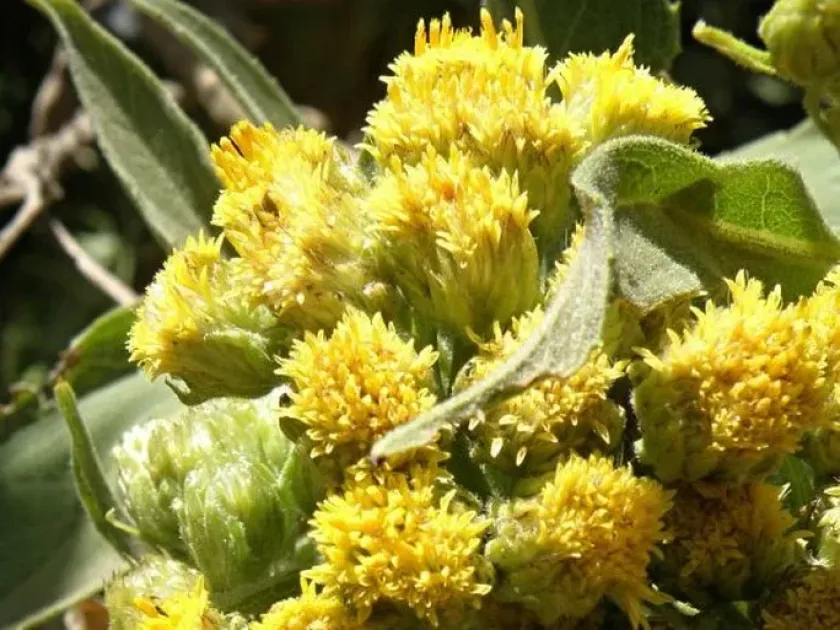
Description
Growing requirements
Nidorella vernonioides is a herbaceous plant species belonging to the Asteraceae family. Known for its adaptability, this plant thrives in the tropical regions of Africa, where it plays a role in local ecosystems and potential agricultural systems.
The plant requires well-drained soil types to ensure optimal growth and prevent root development issues. It is particularly responsive to balanced nutrient levels, showing vigorous growth in fertile, loamy soils with adequate organic matter content.
Climatic requirements involve warm temperatures throughout the growing season, ideally ranging between 20°C and 30°C. The species is heliophilic, meaning it performs best in full sunlight exposure, which stimulates both leaf development and reproductive success.
Water management is critical during the initial establishment of the crop. While it possesses moderate drought tolerance once matured, consistent moisture availability during the early vegetative phase is essential for maximizing overall biomass production.
Agronomic practices focus on maintaining soil structure through regular cultivation and weeding. Ensuring proper plant spacing is recommended to prevent competition for light and nutrients, thereby fostering healthier and more uniform crop stands.
Main diseases and pests
Common threats to Nidorella vernonioides include fungal pathogens that thrive in humid environments. Leaf spots and root decay are significant concerns, often triggered by excessive rainfall or poor water drainage within the field environment.
Insect pests such as aphids and leaf-eating beetles pose a threat to the foliage, especially during peak growing months. These pests can significantly reduce the photosynthetic capacity of the plant if left uncontrolled, leading to decreased yields.
Integrated pest management (IPM) is the recommended approach for maintaining crop health. This includes monitoring for early signs of infestations, utilizing biological controls, and removing infected plant materials to prevent further spread.
Weed management remains a fundamental task, particularly shortly after germination. Keeping the field free from aggressive weeds helps the plant establish a strong root system, which is vital for its long-term survival and resilience against environmental stressors.
Overall, regular inspections and field scouting are the best defenses against biological threats. Early identification of symptoms allows for targeted interventions, reducing the need for extensive chemical usage and supporting sustainable agricultural practices.