
Nidorella ivifolia
Nidorella ivifolia
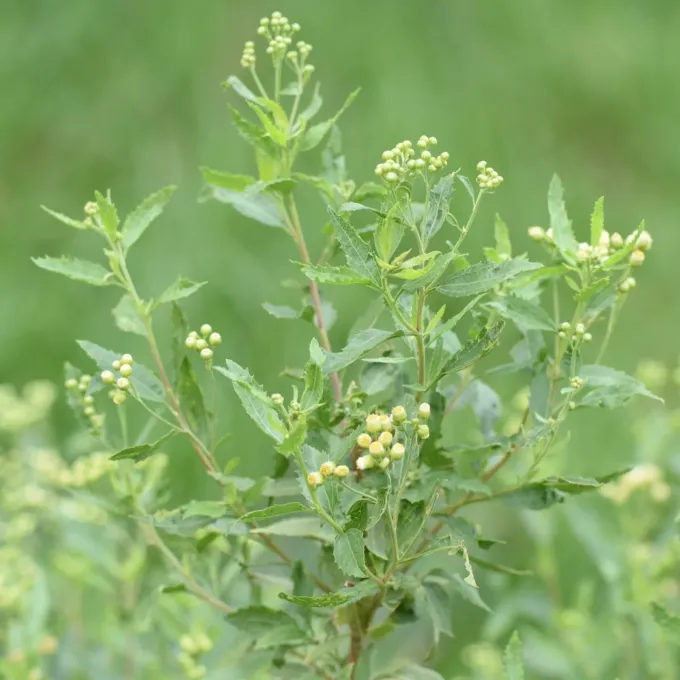
Description
Growing requirements
Nidorella ivifolia is a perennial herb belonging to the Asteraceae family. Native to the diverse landscapes of Southern Africa, this plant has adapted to survive in various habitats, ranging from mountain slopes to open meadows, which makes it a resilient candidate for agricultural trials.
To achieve optimal growth, the species requires well-drained, fertile soil with a neutral pH level. It is particularly sensitive to waterlogging, therefore field selection should focus on areas with natural slopes or efficient drainage systems to prevent root rot and ensure healthy plant development.
Temperature management is critical for the biomass accumulation of Nidorella ivifolia. The plant thrives in warm conditions, with an ideal temperature range between 20°C and 28°C. Protecting the crop from frost is essential, as the plant structure is primarily adapted to subtropical and temperate climate zones.
The agronomic practices for this crop involve periodic weeding and the application of balanced organic fertilizers. Studies suggest that phosphorus and potassium supplementation during the vegetative stage significantly improves the yield of active leaf material and overall plant robustness.
The morphological characteristics of the plant include willow-like leaves (giving it the name 'ivifolia') and compact flower heads typical of its family. These features make it not only a botanical subject of interest but also a potentially valuable raw material for natural extract industries.