
Nidorella resedifolia
Nidorella resedifolia
Description
Growing requirements
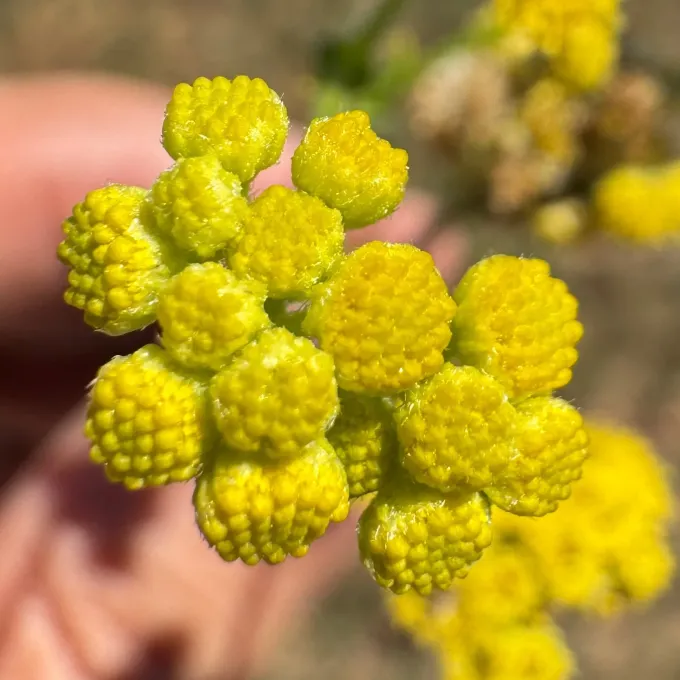
Nidorella resedifolia is a herbaceous species within the Asteraceae family. Its common name refers to the morphology of its foliage, which bears a striking resemblance to the leaves of Reseda. This perennial plant is highly valued for its adaptive capabilities within its native ecosystem.
The geographic origin and natural distribution of this plant are primarily located within Southern and Tropical Africa. It is commonly found in grasslands, along forest edges, and in various disturbed habitats, demonstrating a significant capacity to thrive under diverse environmental stressors.
Environmental requirements for successful cultivation include well-draining soils with a neutral or slightly acidic pH level. Nidorella resedifolia thrives in full sun exposure, which is essential for maximizing the development of its specialized plant compounds during the active vegetative season.
Climatic preferences center on subtropical and mild tropical conditions. While the plant is drought-tolerant, supplemental irrigation during prolonged dry spells is recommended to sustain healthy growth rates and to ensure high yields of aerial biomass during the harvesting period.
Economic importance is largely attributed to its ethnobotanical history. Extracts from the plant are being investigated in pharmaceutical studies for their antibacterial and anti-inflammatory properties, suggesting potential for standardized production in the medicinal plant industry.
Main diseases and pests
The primary threats to crop health include soil-borne fungal pathogens, such as those causing root rot, which are exacerbated by poor drainage and waterlogged conditions. Maintaining proper soil structure and optimal irrigation schedules is critical to preventing these diseases.
Pest management should focus on monitoring for common sap-sucking insects like aphids and mites. Cultural practices, including weed management and regular field inspections, are the first line of defense to keep the crop healthy and productive throughout the entire growing season.