
Monolopia lanceolata
Monolopia lanceolata
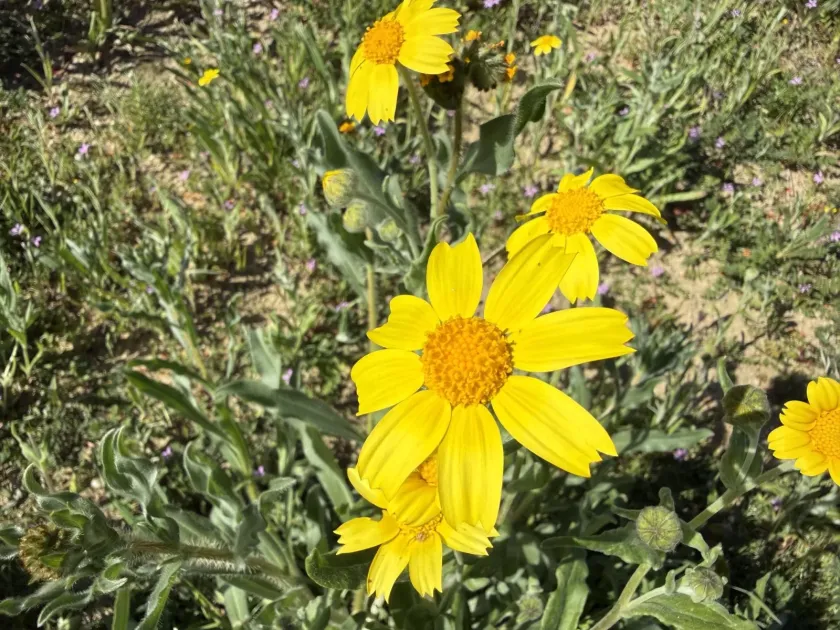
Description
Sowing dates
Monolopia lanceolata is an annual herbaceous plant typically propagated via seeds, which are sown directly into the soil after the last frost of the season.
Optimal germination occurs when soil temperatures reach 15–20 degrees Celsius, ensuring rapid seedling establishment and development.
Seeds should be covered only lightly with a thin layer of soil or compost, as they require some exposure to light to initiate the germination process successfully.
It is recommended to maintain constant soil moisture for the first ten days post-seeding, preventing the surface from drying out entirely during the critical sprout phase.
Once seedlings achieve their first true leaves, thinning is advised to maintain a spacing of roughly 25 centimeters, which promotes better air circulation and growth.
Growing requirements
Belonging to the Asteraceae family, Monolopia lanceolata thrives in open, sunny environments that mimic its native Californian habitats.
The plant demonstrates a clear preference for well-draining soils, specifically sandy or loamy types that prevent water accumulation around the delicate roots.
While tolerant of low-nutrient soils, it benefits from balanced mineral levels; however, excessive nitrogen fertilizer should be avoided as it encourages leafy growth at the expense of floral production.
Photoperiod is a significant factor, as the plant requires long periods of direct sunlight to trigger its biological cycles and maintain its vivid yellow blooms.
Regarding moisture management, the plant is relatively drought-tolerant once established but requires consistent irrigation during the peak flowering stages to sustain plant vigor.
Main diseases and pests
The primary threats to Monolopia lanceolata include pathogenic fungi that flourish under conditions of high relative humidity and poor soil drainage.
Powdery mildew represents a recurring issue in dense stands, necessitating periodic inspection and the application of appropriate fungicidal interventions if outbreaks occur.
Insect pests such as aphids and spider mites can cause significant damage to the floral display and foliage by extracting cell sap, particularly during hot and dry spells.
Root rot, induced by waterlogging, is the most destructive threat to the crop, often leading to sudden wilting and total loss of the affected individuals.
Effective management includes regular monitoring for early signs of infestation and ensuring that soil aeration remains optimal throughout the entire vegetative and reproductive season.