
Montpellier daisy
Leucanthemum monspeliense
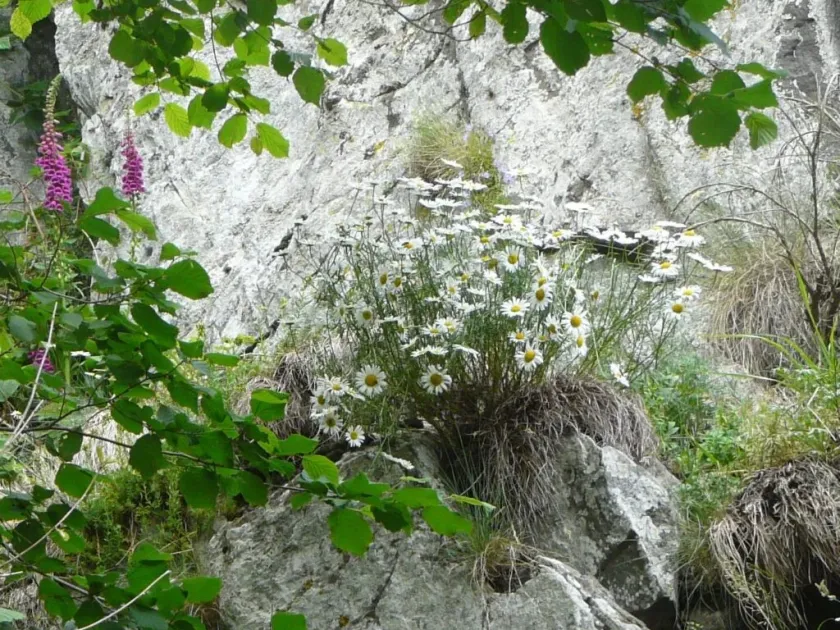
Description
Sowing dates
Direct seeding of the Montpellier daisy in open soil is typically performed in the spring, once the ground temperature consistently reaches 10–12 degrees Celsius. This timing ensures that young plants establish deep roots before the heat of summer arrives.
Fall sowing is another viable method, where seeds are planted in October to undergo natural stratification. This method often results in more vigorous spring germination, as the seeds respond to the natural cooling and thawing cycle of the soil.
When using a nursery starting method, seeds should be sown in trays during late February or March. Using a light, well-draining seed-starting mix and maintaining consistent moisture levels will promote high germination rates and uniform seedling development.
When transplanting seedlings into their permanent location, maintaining proper spacing is essential for air circulation. A distance of 30 to 40 centimeters between plants is recommended to reduce competition for nutrients and minimize the risk of fungal outbreaks.
Initial care following transplantation includes consistent watering until the plants are established. As the plants mature, maintenance tasks shift toward weeding and light soil cultivation to ensure oxygen reaches the root system, fostering overall plant health.
Growing requirements
The Montpellier daisy (Leucanthemum monspeliense) is a perennial herbaceous plant belonging to the Asteraceae family. Originating from the southern parts of Europe, it is primarily found in rocky habitats and mountain meadows where it has adapted to well-drained, nutrient-rich soils.
For optimal growth, this plant requires full sun exposure and a substrate with a neutral to slightly alkaline pH. It is crucial to avoid low-lying areas or heavy soils that trap moisture, as stagnant water is the primary cause of root system failure and subsequent plant decline.
Botanically, the plant features a basal rosette of serrated leaves and sturdy, upright stems that carry solitary capitulum inflorescences. This architectural structure makes it highly valued in horticulture, both as a specimen plant and as part of mixed perennial borders.
The Montpellier daisy thrives in temperate climates. While it displays good winter hardiness, in regions with harsh, snowless winters, it is recommended to apply a layer of organic mulch around the root zone to protect against extreme temperature fluctuations.
In landscape design, this species is appreciated for its long blooming season and relatively easy maintenance. It provides an excellent aesthetic value and is frequently used by floral designers due to the durability and clean appearance of its white-petaled flowers.
Main diseases and pests
Fungal pathogens represent the most significant threat to the health of the Montpellier daisy. Powdery mildew can appear as a white, dusty film on the foliage, which, if left unchecked, reduces the photosynthetic efficiency and weakens the plant's structural integrity.
Root rot is a common issue typically associated with poor drainage or overwatering. To mitigate this risk, it is essential to ensure that the soil profile is permeable and that the crown of the plant is not buried too deeply during the planting process.
Pest pressures often involve aphids, which congregate on the underside of leaves and tender buds. These pests extract sap, leading to stunted growth, distorted stems, and a reduction in the number of blooms throughout the flowering cycle.
Integrated pest management strategies are recommended, focusing on early detection and the use of organic insecticidal soaps. Maintaining a clean garden environment by removing dead foliage and debris reduces the overwintering sites for many common garden pests.
Proper plant hygiene is the first line of defense. By practicing regular deadheading—the removal of spent flowers—you can redirect the plant's energy toward root development and disease resistance, ensuring a healthier and more productive display for the following year.