
Missouri coneflower
Rudbeckia missouriensis
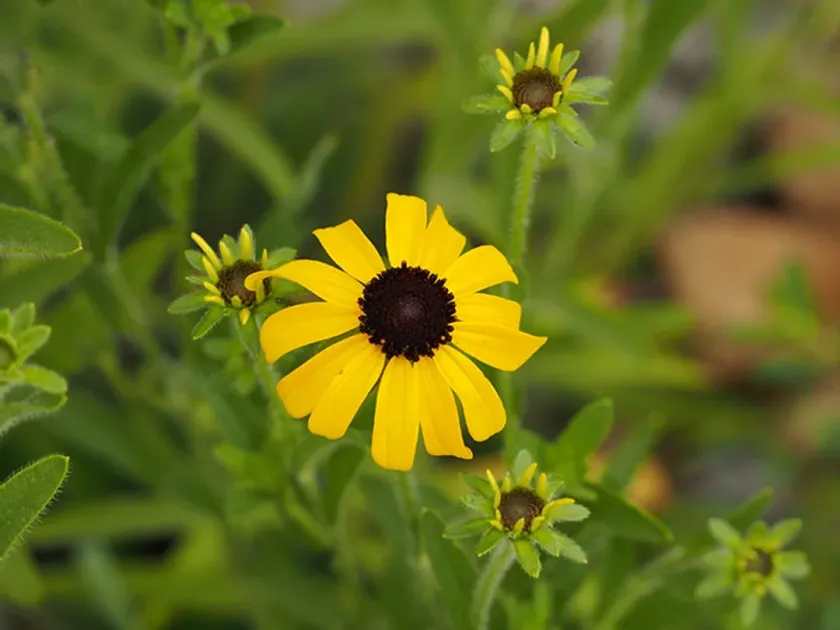
Description
Sowing dates
Rudbeckia missouriensis is a distinctive perennial belonging to the Asteraceae family, native to the prairies of the central United States. Seeds are typically sown in the open ground either in late autumn or early spring once the soil has warmed sufficiently.
For container-grown starts, sow seeds in early spring, ideally indoors. A period of cold stratification for 2-4 weeks significantly increases germination rates, as the seeds respond well to these natural cycles.
When sowing, cover the seeds with only a very thin layer of fine substrate, as they require light to germinate effectively. Maintain consistent moisture levels in the tray to ensure uniform emergence of the seedlings.
Transplanting into the garden should occur once all danger of frost has passed. Space individual plants approximately 15 to 20 inches apart to allow for proper airflow and to prevent the development of moisture-related fungal issues.
Young plants require regular watering during their first growing season to establish a robust root system. Once mature, this species is noted for its ability to withstand dry conditions with minimal supplemental irrigation.
Growing requirements
This species thrives in full sun, which is essential for developing strong, upright stems and profuse flowering. While it may tolerate partial shade, insufficient light often results in leggy growth and reduced bloom count.
The ideal soil for Rudbeckia missouriensis is well-draining and moderately fertile with a neutral pH level. It performs exceptionally well in rocky or sandy soils that mimic its natural prairie habitat.
Although highly drought-tolerant once established, the plant appreciates moderate moisture during the hottest summer months. Avoid heavy, waterlogged soils as these are prone to causing crown rot and other root-related pathologies.
Fertilization should be handled with care; excessive nitrogen can promote lush foliage at the expense of floral production. A balanced, slow-release granular fertilizer applied in early spring is generally sufficient for the season.
Regarding climate, the plant is quite hardy and adapts well to various temperature extremes. In regions with severe winters, a light layer of mulch can protect the base of the plant from extreme freeze-thaw cycles.
Yield
The primary utility of the Missouri coneflower is within ornamental landscaping, specifically for prairie-style gardens and pollinator-friendly borders. It provides a long-lasting burst of color from summer through early autumn.
This plant is an excellent nectar source for bees, butterflies, and other essential pollinators. Integrating it into garden designs significantly supports local biodiversity and enhances the health of the entire ecosystem.
As a cut flower, Rudbeckia missouriensis is highly valued for its durability and unique petal structure. Stems remain fresh in arrangements for up to ten days if harvested at the correct stage of development.
For commercial seed production, growers must monitor the heads closely as they mature. Harvest when the center cones turn dark brown and the seeds are firm, but before they disperse naturally.
Deadheading spent flowers is a recommended practice to maintain the plant's aesthetic appeal and potentially encourage a second, lighter flush of blooms later in the season.
Main diseases and pests
Powdery mildew is the most common threat, often appearing as a white, dusty film on the foliage during periods of high humidity. Improving spacing to increase airflow is the most effective preventative measure.
Aphids and spider mites may occasionally infest the plant, particularly during prolonged dry spells. If infestations occur, horticultural soap or biological control methods are typically sufficient to manage the population.
Root rot, driven by poor drainage, remains the most significant physiological threat to the species. Planting in raised beds or adding grit to heavy soil can help mitigate this risk significantly.
Nematodes can sometimes damage the roots, leading to stunted overall growth. Practicing proper crop rotation and sourcing healthy, disease-free nursery stock are vital components of a comprehensive plant health strategy.
Regular monitoring allows for the early detection of issues, enabling localized treatment rather than broad-spectrum chemical applications. Clean gardening tools are also essential to prevent the spread of pathogens.
Harvesting
Seed harvesting should be performed in dry, calm weather to minimize loss. The seed heads are cut and placed in paper bags to finish drying in a cool, dark, and well-ventilated area.
Once dried, the seeds are threshed by gently rubbing the heads and then winnowed to remove chaff. Store the cleaned seeds in airtight containers in a cool environment for future use.
For floral harvest, cut stems in the early morning when turgor pressure is highest. Use sharp, sterilized shears to ensure a clean cut, which helps prevent stem tissue damage and promotes better water uptake.
At the end of the season, winter maintenance involves cutting back the dead foliage to within a few inches of the ground. This practice tidies the garden and removes potential overwintering sites for pests.
All harvested plant material should be carefully inspected. Any debris showing signs of disease should be disposed of in the trash rather than composted to prevent the cycling of pathogens back into the garden soil.