
Mexican wormwood
Artemisia mexicana
Description
Sowing dates
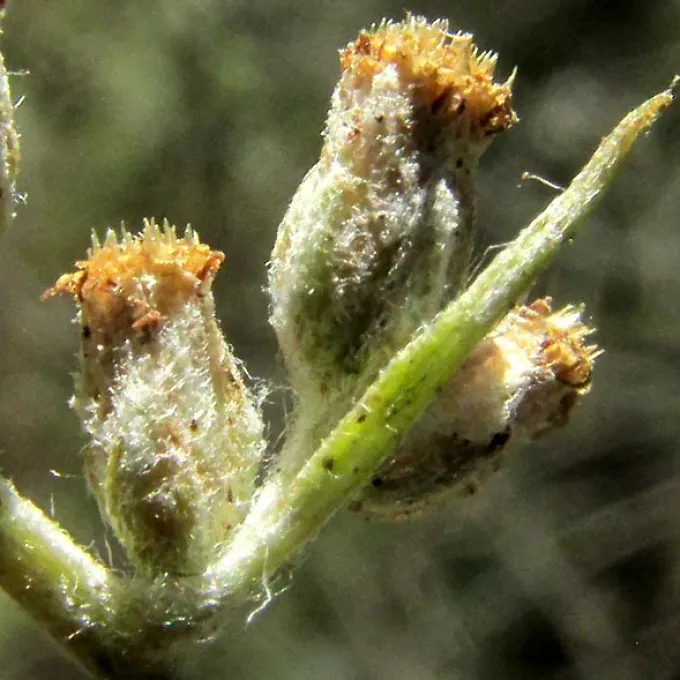
Mexican wormwood (Artemisia mexicana) is a perennial herbaceous plant from the Asteraceae family. Sowing is typically carried out in spring once soil temperatures reach a stable range, ensuring optimal conditions for seed germination and initial root development.
For more predictable results, a seedling method is often utilized. Seeds are planted in greenhouse trays about 4 to 6 weeks before the final frost, allowing the young plants to develop strong root systems before being transplanted into open fields.
Since the seeds are extremely small, they should be sown on the surface and barely covered with a thin layer of fine substrate. Maintaining constant moisture during the first few weeks is essential for successful germination, as drying out at this stage is a common cause of failure.
When sowing directly into the field, maintaining proper spacing of about 50–60 cm between rows is recommended. This spacing is vital for the plant's health, ensuring good airflow which prevents the development of fungal pathogens during the growing season.
Autumn sowing is possible in warmer regions where winters are mild enough to prevent frost damage to the seeds. Under these conditions, the plants emerge early in the spring, which helps them establish a deeper root system before the onset of summer heat.
Growing requirements
This species thrives in open, sunny locations. Direct exposure to sunlight is crucial, as it significantly increases the concentration of secondary metabolites and essential oils, which are the primary components of economic interest for this crop.
Mexican wormwood prefers well-drained, light, sandy, or loamy soils. It has a high tolerance for drought, making it an excellent candidate for cultivation in arid regions. However, it cannot tolerate waterlogging, which can quickly lead to root rot.
The plant is not particularly demanding regarding soil fertility, though it prefers neutral to slightly alkaline pH levels. In acidic soils, liming is recommended to improve growth rates and ensure the plant reaches its full potential biomass.
Climate-wise, the plant is well-adapted to high-temperature environments. It exhibits strong resistance to extreme heat, which makes it a sustainable crop in regions where other plants might suffer from physiological stress during the summer.
Agricultural management includes regular weeding, especially during the first year of establishment. Using mulch around the base of the plants helps retain soil moisture, suppresses weed growth, and protects the surface roots from temperature fluctuations.
Yield
The harvestable portion of the plant is the aerial biomass, which is collected during the peak of the flowering stage. At this point, the plant contains the highest concentration of active compounds, including volatile oils and bitter principles.
Yields increase significantly from the second year as the plant establishes a more substantial root structure. Under intensive cultivation practices, a healthy plantation can produce a stable crop for several consecutive years.
To maximize yields of high-quality essential oils, strategic irrigation during the budding phase can prove beneficial. Applying organic fertilizers early in the spring can also enhance the overall biomass production without compromising the chemical quality of the herb.
Post-harvest processing is critical for maintaining quality. Drying must occur in well-ventilated, shaded areas to prevent the rapid evaporation of light essential oils and the degradation of chlorophyll, which would otherwise turn the dried product brown.
Economic applications are diverse, ranging from traditional medicine and pharmaceutical raw materials to the production of high-end herbal teas and natural pest-repellent products for garden use.
Main diseases and pests
Mexican wormwood is naturally resistant to many pests due to its bitter compounds and potent volatile oils. However, it can be susceptible to powdery mildew, especially in environments with poor air circulation or excessive humidity levels.
Root rot remains the most serious threat, usually associated with poorly drained soils or excessive irrigation. Implementing proper drainage systems and avoiding water stagnation is the most effective preventative measure against this physiological and pathological threat.
Aphids and spider mites may occasionally infest the foliage, particularly during dry, hot weather. Integrated pest management, such as encouraging natural predators like ladybugs, is generally sufficient to keep populations below economic damage levels.
Nematodes can sometimes be a problem in certain soil types. Rotating the crop with non-host species, such as specific cover crops, helps break the life cycle of soil-borne pests and maintains a healthier soil structure for future plantings.
Regular phytosanitary monitoring is essential to detect any early signs of infection. If infected leaves are identified, they should be removed and destroyed immediately to prevent the spores from spreading through the entire plantation.
Harvesting
Harvesting is typically performed by cutting the stems about 10–15 cm above the ground. Using sharp equipment ensures clean cuts, which allows the plant to regenerate rapidly and produce a second or third harvest in the same season in warmer climates.
Timing the harvest is crucial; it should be done on a dry, sunny day after the morning dew has evaporated. This practice minimizes moisture content in the harvested material, which significantly speeds up the drying process and prevents mold.
The gathered stems should be bundled and hung or spread thinly on racks to ensure maximum exposure to moving air. Avoiding direct sunlight during the drying phase is vital to preserve the vibrant green color and the aromatic profile of the product.
Once dried to the desired moisture content, the product should be stored in a cool, dark, and dry environment. Utilizing airtight packaging prevents the loss of essential oils and protects the dried material from humidity and potential insect infestation.
After the final harvest of the season, cleaning the field of debris helps reduce the risk of overwintering pathogens. A light application of compost can then be applied to support the plants' winter survival and vigor for the coming spring.