
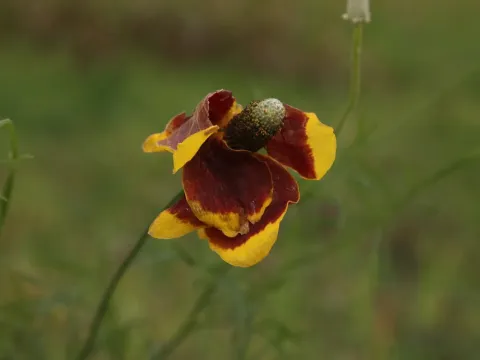
Mexican hat
Ratibida columnifera
Seeds of Ratibida columnifera should be sown in the spring when the soil has warmed up sufficiently. The plant thrives in full sun, making site selection critical for maximizing flower production and overall plant health.
What the section contains
Mexican hat
Starting seeds indoors 6 to 8 weeks before the last frost date is common for gardeners in colder climates. Cold stratification of the seeds for about a month improves germination rates significantly, as this simulates their natural life cycle.
When sowing directly outdoors, seeds should be surface-sown or covered with a very thin layer of fine sand. Since the seeds require light to germinate, burying them deep in the soil will prevent successful emergence.
Young plants or seedlings should be spaced approximately 12 to 18 inches apart. This spacing ensures adequate airflow, which is essential to prevent fungal diseases caused by moisture trapped within the foliage.
Once established, the plant is relatively low-maintenance. If started early, the plant may produce a few flowers in its first year, but it typically reaches full blooming capacity in its second growing season.
Ratibida columnifera is a member of the Asteraceae family, native to the prairies of North America. It is exceptionally well-adapted to hot, arid climates and can handle significant periods of drought once established.
The plant requires well-drained, lean soil. It performs poorly in heavy clay or overly enriched organic soils, which can cause root rot or encourage weak, leggy growth that lacks structural integrity.
Full sun is a non-negotiable requirement for Mexican hat. Exposure to at least 6 to 8 hours of direct sunlight is necessary to produce the characteristic column-shaped center disk and vibrant ray florets.
Fertilizer requirements are minimal. In fact, providing too much nitrogen-rich fertilizer often hinders blooming and leads to brittle stems. A light application of balanced fertilizer early in the season is usually sufficient.
Maintenance is simple and involves minimal intervention. Aside from initial weeding during the establishment phase, the plant requires little effort, making it an excellent choice for xeriscaping and low-maintenance landscape designs.
The primary threat to the health of Ratibida columnifera is root rot caused by stagnant water. Ensuring the planting site has excellent drainage is the most effective preventative measure against this condition.
Powdery mildew is a common fungal issue that can affect the foliage during periods of high humidity or poor air circulation. Improving plant spacing and avoiding overhead watering can help mitigate this risk.
In terms of insect pests, aphids and spider mites can occasionally damage the leaves and flower buds. These pests are more prevalent during hot, dry spells and should be addressed using appropriate organic or chemical insecticides.
Deer and rabbits generally avoid this plant due to its coarse texture, but young shoots may sometimes be nibbled in early spring. Protecting younger plants with wire cages can be beneficial until they become more established.
To keep the garden clean and reduce the likelihood of overwintering pests, it is recommended to cut back the dead stems in late fall or early spring. Clearing debris ensures the plant starts the new season in a healthy environment.