
Lonas annua
Lonas annua (L.) Vines & Druce
Description
Sowing dates
Lonas annua seeds can be sown directly outdoors once the danger of frost has passed, typically in late spring. For a head start, seeds can be started indoors about six to eight weeks before the last frost date.
When sowing indoors, distribute the seeds on the surface of a fine seed-starting mix. The seeds require light to germinate, so they should be pressed into the surface rather than buried deep.
Maintain a consistent temperature of around 18-20 degrees Celsius for optimal germination. Keep the soil moist but not waterlogged until the seedlings emerge, which usually happens within a few weeks.
Transplanting is best performed once the seedlings have developed two sets of true leaves. Ensure they are gradually acclimated to outdoor conditions before transplanting to their permanent location.
Space the plants about 20 to 30 centimeters apart to allow for proper airflow and root development. This spacing is essential for preventing humidity-related issues in the foliage.
Growing requirements
Lonas annua, a member of the Asteraceae family, is native to the Western Mediterranean. It thrives in locations that receive full, bright sun throughout the day, which is necessary for blooming.
The plant prefers well-drained, sandy, or light loam soils. It is highly sensitive to damp, heavy clay conditions, which can quickly lead to root rot if drainage is not managed correctly.
While not heavily dependent on high soil fertility, it benefits from moderate fertilization in poor soils to encourage stronger stems. Avoid high-nitrogen fertilizers, which may prioritize leaf growth over flowers.
Once established, the plant is quite drought-tolerant and performs well in warm, arid environments. Supplemental irrigation should only be provided during prolonged dry spells to avoid heat stress.
Protection from strong winds is recommended to keep the slender, upright stems from bending or breaking. In cooler or wetter regions, container gardening is a practical alternative for better control.
Yield
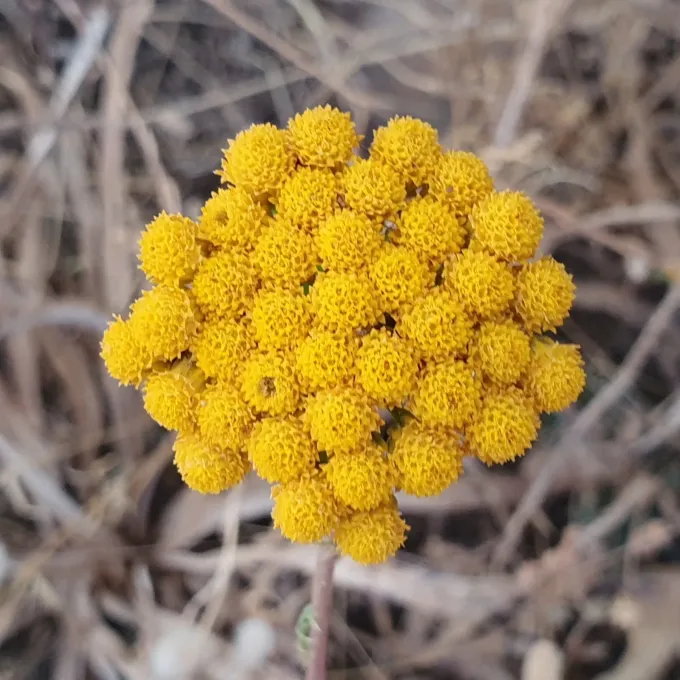
The commercial value of Lonas annua is centered on its bright golden, button-like flowers. Each plant produces numerous corymbose inflorescences, making it a productive choice for gardeners.
With proper care and consistent sunshine, a single plant provides multiple harvestable stems over several months. Dense planting in managed beds can lead to a substantial harvest of dried flower material.
Regular harvesting of the blooms encourages the plant to continue producing new flower buds throughout the summer. This extend the productive life of the crop significantly.
Quality in the floral trade is determined by the vividness of the yellow color and the integrity of the flower heads. Proper handling ensures that the blooms remain intact and vibrant for the final consumer.
The yield of high-quality dried stems makes Lonas annua a popular plant for those focusing on creating dried floral arrangements that maintain their color for long periods.
Main diseases and pests
The primary threats to Lonas annua are fungal infections triggered by excessive moisture and poor air circulation. Botrytis or gray mold can affect the stems if the plant remains damp for extended periods.
Powdery mildew may occur when humidity is high or when there are significant fluctuations in temperature. Ensuring the plants are not overcrowded is the most effective way to prevent these issues.
Aphids are the most common pests found on the plant, typically congregating on the succulent new growth. Early detection and the use of insecticidal soap can manage these outbreaks effectively.
Root health is crucial; therefore, maintaining excellent drainage is the best defense against root rot diseases. Avoid over-watering, particularly during cool and cloudy weather cycles.
Overall, Lonas annua is a resilient species that rarely suffers from major pest or disease issues when planted in an appropriate, sunny, and dry environment.
Harvesting
Harvesting for the dried flower market should occur when the golden flower heads are fully open but not yet beginning to fade. Always harvest during dry, midday weather to prevent moisture buildup.
Bundle the cut stems together and hang them upside down in a shaded, well-ventilated area. This slow drying process prevents the flowers from bleaching in direct sunlight and maintains their structure.
Ensure the drying location is free from high humidity, as damp air can lead to stem rotting or the development of mildew on the flower heads. A dark space helps preserve the original yellow pigment.
Once the stems are completely brittle and dry, they can be stored in boxes or arranged into bouquets. Handle them with care, as dried flower heads are delicate and can shatter if treated roughly.
Properly dried Lonas annua can last for a year or more, making it an excellent product for off-season floral arrangements and decorations when fresh flowers are not available.