
Lessingianthus glabratus
Lessingianthus glabratus
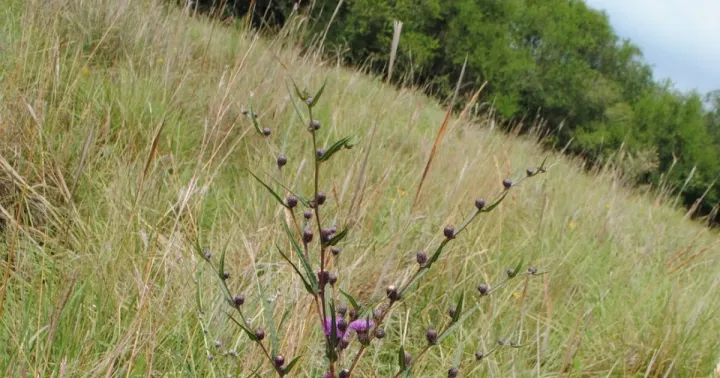
Description
Growing requirements
Lessingianthus glabratus is a perennial herbaceous plant belonging to the Asteraceae family. Native to South America, particularly the Brazilian Cerrado, it is highly adapted to savanna ecosystems where seasonal climate variations dictate the vegetative cycle.
The plant features robust stems and a deep-reaching root system, enabling it to thrive in diverse soil types. Botanical studies highlight its ability to synthesize specific secondary metabolites, which are of significant interest for pharmacological research and potential industrial applications.
For cultivation, this crop requires well-drained, slightly acidic soils. The presence of adequate sunlight is crucial, as the plant responds positively to high light intensity, which facilitates the optimal development of its foliage and reproductive organs.
Temperature management is key; as a tropical origin plant, it performs best in stable, warm conditions. Exposure to frost should be strictly avoided in commercial farming environments, making greenhouse cultivation a viable option for colder regions.
Agricultural management should focus on maintaining soil fertility levels that prevent nutrient leaching. Consistent monitoring of soil pH and organic matter content ensures that the plants can meet their full physiological potential throughout the growing season.
Main diseases and pests
Common pests such as aphids and spider mites can impact the yield quality by damaging leaves and floral structures. Early identification of infestation is necessary to prevent significant damage and maintain the overall health of the plant canopy.
Fungal diseases, especially powdery mildew, represent a threat during humid weather conditions. Ensuring adequate spacing between plants improves airflow and significantly reduces the accumulation of moisture, which is a primary driver for fungal growth.
Root rot pathogens become problematic in poorly drained fields, especially during heavy rainfall. Implementing effective irrigation management and utilizing raised beds can mitigate these risks and support root health in diverse soil types.
Integrated pest management (IPM) strategies are recommended for Lessingianthus glabratus to ensure the safety of the final product. This includes promoting beneficial insects and using selective biological controls whenever possible to manage population spikes.
Regular sanitation of the field, including the removal of infected plant debris, is vital for disease control. This practice prevents the overwintering of pathogens and contributes to a healthier growing environment for subsequent planting cycles.