
Leptinella dioica
Leptinella dioica Hook. f.
Description
Growing requirements
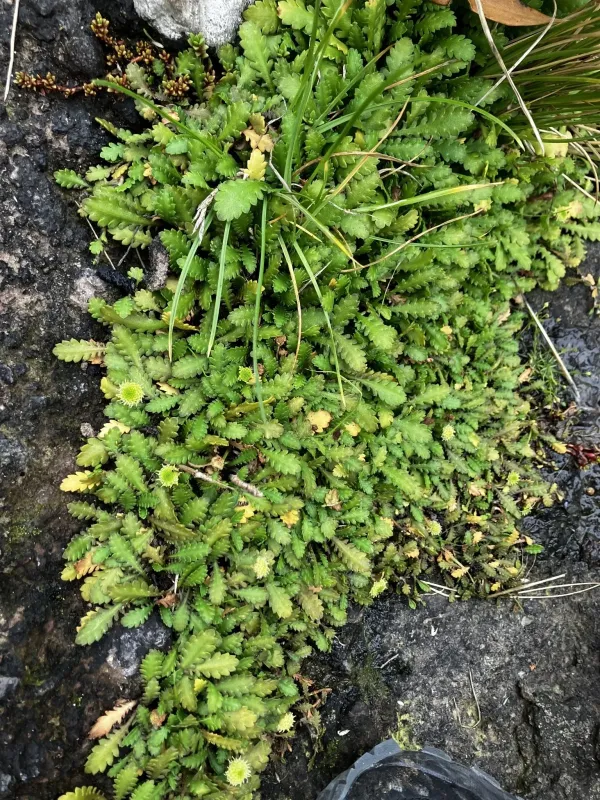
Leptinella dioica is a perennial herbaceous plant belonging to the Asteraceae family. Native to the damp regions of New Zealand, it is recognized for its creeping stems and pinnate foliage, which creates a moss-like aesthetic effect. It is widely valued as a persistent and low-maintenance ground cover.
The plant requires rich, moist, and well-drained soils to thrive. It performs best in conditions mimicking its natural habitat, such as garden areas with high atmospheric humidity. While it tolerates partial shade, it requires consistent moisture to maintain its lush green appearance throughout the growing season.
In terms of climate, Leptinella dioica is hardy in temperate zones but benefits from protection during harsh frosts. It prefers cool temperatures; exposure to excessive heat and direct sunlight can lead to leaf desiccation and plant stress. Adequate shading is critical in warm, continental climates.
Agrotechnical management primarily involves monitoring soil moisture. Irrigation should be frequent enough to keep the soil surface cool and moist. Since the plant spreads via rhizomes, it is capable of filling gaps between stones or pavers, which minimizes the need for traditional weeding after establishment.
The main commercial and horticultural use of the species is in landscape architecture. It is commonly specified for rock gardens, path edges, and as a filler for shaded courtyard areas. Its ability to create a dense, uniform mat makes it a highly desirable candidate for ornamental ground cover.
Main diseases and pests
The most common disease threats involve fungal infections such as root rot and leaf spot, typically triggered by poor drainage or stagnant water around the root zone. Regular monitoring of the drainage system is essential to prevent significant losses in the planting area.
Pest issues are usually limited to gastropods, specifically slugs and snails, which can cause significant damage to the soft leaves. In addition to molluscicides, physical barriers or encouraging natural predators in the garden can help manage these populations effectively.