
Edelweiss
Leontopodium alpinum Cass.
Description
Sowing dates
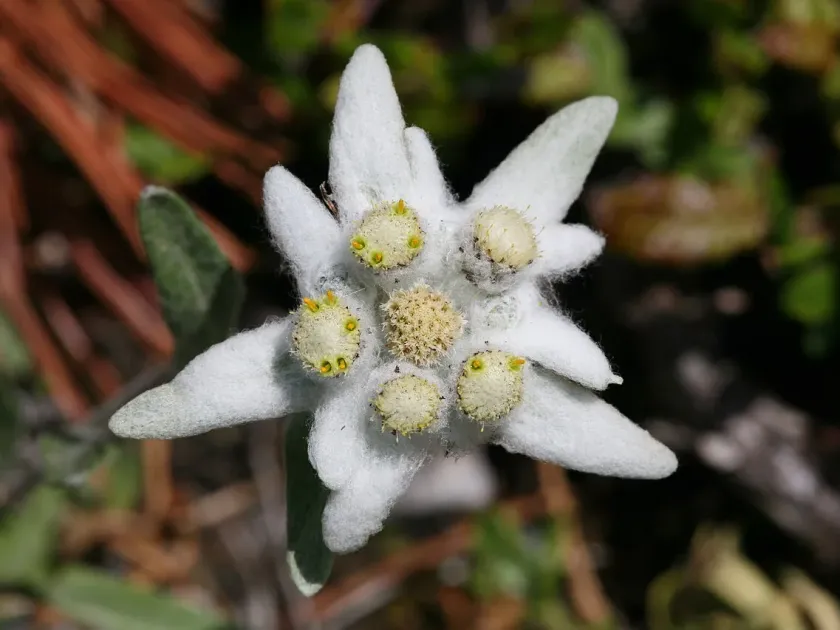
Edelweiss (Leontopodium alpinum) is a member of the Asteraceae family, well-known for its unique woolly appearance and adaptation to harsh high-altitude environments.
Propagation is primarily done via seeds, which require stratification for several weeks in a cold environment to break dormancy and ensure uniform germination.
Seeds are sown on the surface of a light, well-draining substrate in late winter, as they need light to germinate and are highly sensitive to soil compaction.
Seedlings develop slowly during the initial stages and must be handled with care when transplanting them into individual pots to avoid damaging the delicate root system.
Transplanting into the permanent location in the open field should occur once the plants are established and the risk of frost has passed in the spring.
Growing requirements
The plant thrives in full sun and requires poor, gritty, and alkaline soil conditions to mimic its natural habitat in rocky mountain terrain.
Excellent drainage is the most critical factor for success; excessive moisture during the winter months often leads to root rot and the death of the plant.
Edelweiss is remarkably hardy and can withstand freezing temperatures, but it dislikes humid and stagnant air conditions which promote fungal growth.
Minimal fertilizer is necessary, as high nutrient levels often lead to lush growth at the expense of the plant's characteristic compact habit and silvery-white flower heads.
Garden placement should be in areas where the soil profile is naturally porous, such as rockeries, stone borders, or areas with added crushed stone or gravel.
Yield
Edelweiss is valued for its cosmetic and medicinal potential, particularly in the production of high-end skincare products due to its potent antioxidant content.
Yields of harvestable biomass are generally low due to the slow growth rate of the plant, making it a niche crop requiring careful resource management.
The plant reaches its peak biomass production in its second or third year, when it produces the maximum number of flowering heads per individual crown.
Successful cultivation focuses on maintaining a healthy plant density to maximize the quality of the harvested aerial parts, which are rich in bio-active compounds.
Given the high demand for organic, high-performance plant extracts, the cultivation of edelweiss represents an opportunity for specialized horticultural farms.
Main diseases and pests
Root rot is the primary threat to edelweiss populations, especially if the plants are placed in heavy soils or areas prone to waterlogging after spring rains.
Powdery mildew can infect the foliage during periods of high humidity, necessitating proper airflow management and periodic fungicide application if infestations are severe.
Gastropods, such as slugs and snails, are frequent pests that can quickly decimate young plants by consuming the tender leaves and stems.
Aphids occasionally infest the plant, potentially causing stunting and acting as vectors for viral diseases, so constant monitoring of the growing fields is advised.
Preventative measures include weeding around the base of the plants to ensure air circulation and maintaining an optimal distance between plants in commercial rows.
Harvesting
The harvest phase takes place during peak flowering when the characteristic star-shaped inflorescences are fully developed and show their highest potency.
Plants are harvested by cutting the stems manually above the ground, ensuring that the crown of the plant is not damaged, allowing for potential regrowth.
Proper drying techniques involve keeping the material in a cool, dark, and well-ventilated area to preserve the integrity of the plant's active antioxidants and colors.
Once dried, the product must be stored away from moisture and light to prevent degradation, ensuring that the final quality remains suitable for commercial use.
Quality control during harvest involves removing debris and ensuring only the healthy, standard-compliant parts of the plant are selected for processing.