
Snow edelweiss
Leontopodium nivale (Ten.) Hand.-Mazz.
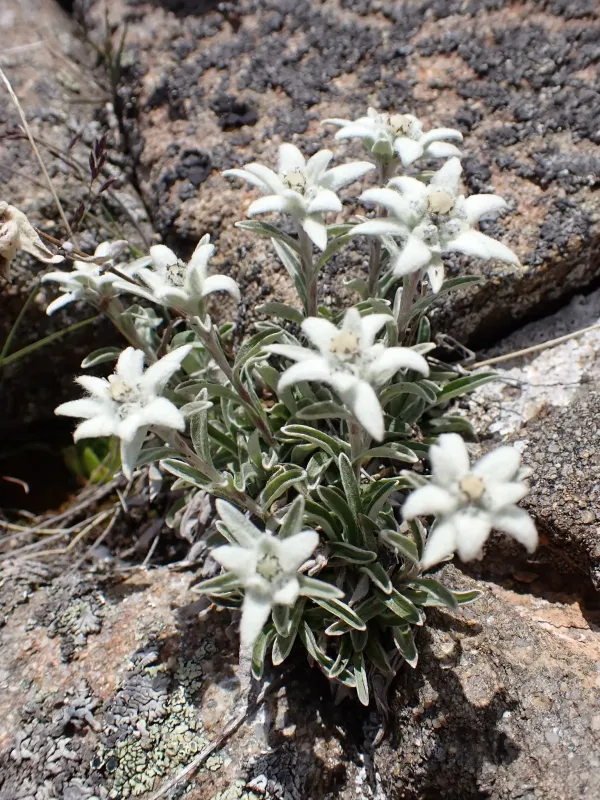
Description
Sowing dates
Snow edelweiss, a member of the Asteraceae family, is typically propagated through seeds or vegetative division. Because the seeds are extremely tiny, they must be sown on the surface of a moist, well-draining substrate without covering them with soil.
For successful germination, the seeds require cold stratification for several weeks to simulate the harsh alpine conditions of their natural habitat, ensuring a higher rate of seedling emergence.
Transplanting to the permanent growing site should be done after the danger of late frost has passed, usually in late spring or early summer, taking care to protect the sensitive root system.
Vegetative propagation via clump division is often preferred for maintaining the genetic integrity of specific varieties and can be performed during the plant's dormant season.
Optimal spacing is crucial to prevent overcrowding, which can lead to poor air circulation; a distance of at least 25 centimeters between plants is recommended for healthy development.
Growing requirements
This plant is native to high-altitude mountainous regions and thrives in locations with full, direct sunlight throughout the day. Even minimal shade can cause the plant to stretch and lose its characteristic silver pubescence.
The ideal soil is rocky, sandy, or gritty, providing excellent drainage. Snow edelweiss will not survive in heavy, water-logged soils as they trigger root rot and decline rapidly.
The plant is highly cold-hardy, capable of surviving sub-zero winter temperatures, but it requires protection from excessive moisture during winter thaws to prevent the crown from rotting.
Soil pH should ideally be neutral to slightly alkaline. Acidic soil can be corrected with the addition of lime to ensure the plant absorbs nutrients effectively and maintains vigorous growth.
Watering should be managed carefully, providing just enough moisture to prevent total desiccation during extreme drought, as the plant is highly adapted to nutrient-poor, dry alpine conditions.
Yield
In agricultural production, the yield is measured by the harvest of flowering stalks covered in characteristic white, felt-like hairs, which are highly valued in both cosmetics and medicine.
The harvest phase is critical; it must occur when the plants are in full bloom, ensuring the concentration of bioactive antioxidants and flavonoids is at its absolute peak for extraction.
Consistent yield over several years is achievable when the plant is grown in its preferred climate, though intensive cultivation requires careful monitoring to ensure the plants remain perennial.
Economic value is tied to the demand for edelweiss extract, known for its protective and anti-aging properties, making it a high-value crop for specialized organic farming operations.
Product quality depends on the density of the silver hairs on the petals and bracts, which serve as the primary indicator for grading the harvested plant material.
Main diseases and pests
The most significant threat to snow edelweiss is root rot, frequently caused by improper drainage or excessive humidity during the warmer months of the growing season.
Powdery mildew may occur if the plants are situated in areas with stagnant air or poor ventilation, requiring localized fungicide treatments or physical removal of affected leaves.
Pests like aphids and spider mites can attack the tender parts of the plant, especially if the plants are stressed by suboptimal environmental conditions like drought or excess heat.
Slugs and snails can cause substantial mechanical damage to the foliage in early spring; protective barriers or biological controls are recommended to safeguard young, emerging shoots.
To mitigate these threats, maintain a clean growing environment by removing debris and weeds that harbor pests and fungal spores, ensuring optimal conditions for plant vitality.
Harvesting
Harvesting is performed by hand-cutting the flowering stalks at the base, ensuring that only the healthiest specimens with the thickest pubescence are gathered for processing.
The harvested material must be dried immediately in a dark, cool, and well-ventilated space to preserve the natural silver-white color and essential oil content of the plant.
High-temperature drying methods are generally avoided as they can degrade the delicate phytochemical profile that provides the medicinal and cosmetic benefits of the plant.
Once dried, the stalks are meticulously inspected for debris and contaminants to meet quality standards required by laboratories or commercial buyers in the wellness industry.
Finished products are stored in airtight, moisture-resistant packaging in a light-controlled environment to maintain their potency and prevent oxidative damage to the active ingredients.