
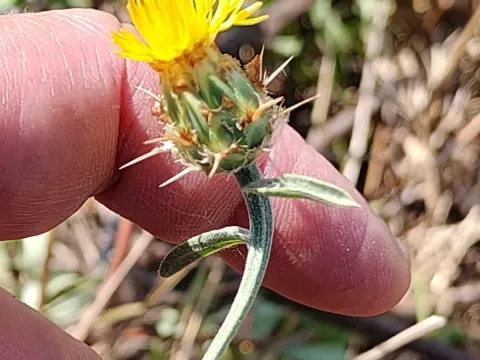
Sicilian cornflower
Centaurea sicula
The Sicilian cornflower (Centaurea sicula) belongs to the Asteraceae family and is native to the Mediterranean region, displaying typical Mediterranean adaptation features.
What the section contains
Sicilian cornflower
Planting should be carried out in early spring when the soil temperature consistently reaches at least 10 degrees Celsius, ensuring optimal germination conditions.
The seeds should be sown at a shallow depth of approximately 1.5 centimeters in well-drained, prepared soil, maintaining adequate spacing between plants.
Due to its light-demanding nature, the plant requires full sun exposure to maintain its vigorous growth and vibrant inflorescence production throughout the season.
This species is highly valued in horticulture for its adaptability to dry conditions, making it an excellent candidate for low-maintenance landscapes.
Centaurea sicula thrives in light, loamy, or sandy soils that possess excellent drainage, as the species is highly sensitive to waterlogged conditions.
The plant demonstrates significant drought tolerance once established, which allows it to excel in arid or semi-arid environments where other crops might fail.
It prefers a neutral or slightly alkaline soil environment, which mirrors the typical limestone-rich soils found in its natural Sicilian habitat.
While fertilization is not strictly required for survival, applying balanced mineral nutrients in late spring can significantly enhance the quantity of flower heads.
Regular maintenance, including weeding and soil aeration, ensures that the plants remain healthy and competitive against surrounding wild vegetation.
The most common disease impacting this crop is powdery mildew, particularly in regions with high humidity and poor air circulation around the plants.
Insect pests, notably aphids and spider mites, can cause damage to the tender tissues, especially during the height of the summer heat.
Effective management includes maintaining proper distance between rows to allow for optimal airflow, which helps prevent the development of fungal spores.
Early identification of pest infestations allows for the use of targeted biological controls, minimizing the need for broad-spectrum chemical pesticides.
Sanitation practices, such as the removal of debris at the end of the season, are crucial for preventing the overwintering of pathogens and harmful insect larvae.