
Ixodia achillaeoides
Ixodia achillaeoides
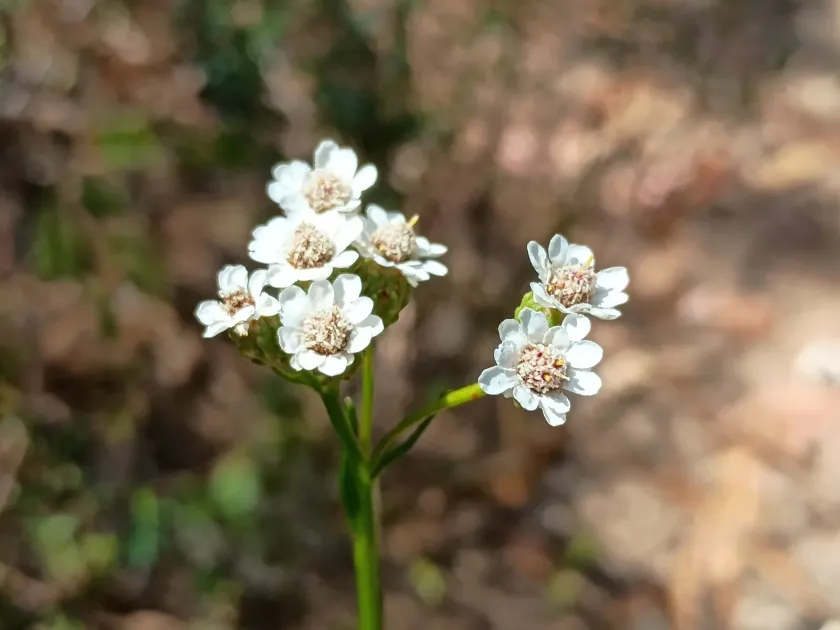
Description
Sowing dates
Sowing Ixodia achillaeoides should be planned for the early spring after the risk of frost has passed. The seeds require a well-draining, sandy substrate to prevent early dampening-off and to encourage root development.
Stratification of seeds prior to sowing can significantly improve germination rates. A controlled environment with temperatures around 18–20 degrees Celsius is optimal for establishing uniform seedling stands.
When starting in trays, it is essential to handle seedlings with care as their roots are sensitive to disturbance. Biodegradable pots are highly recommended to minimize the shock during final transplanting into the field.
Transplanting to the permanent location should occur when the plants are sturdy enough to withstand environmental exposure. Proper spacing of 30 to 40 centimeters is required to allow for adequate airflow between mature bushes.
Late spring sowing is also possible in milder climates, ensuring that the young plants have sufficient time to establish before the onset of extreme summer heat or winter cold.
Growing requirements
Ixodia achillaeoides, a member of the Asteraceae family, is a woody shrub native to South Australia. It is prized for its hardy nature and its ability to thrive in poor, rocky soils under arid conditions.
The plant demands full sun exposure for optimal growth and flowering. Any shading will result in sparse growth and a significant reduction in the quantity of its characteristic white flowers.
Soil drainage is the most critical factor for successful cultivation. The species is highly susceptible to root rot if water lingers in the soil, so slopes or raised beds are often used to ensure rapid drainage.
Minimal irrigation is needed once the plant has established itself. Over-fertilization, especially with nitrogen-based products, should be strictly avoided to maintain the plant's natural, compact structural integrity.
In regions with heavy frost, the plant may require protection or cultivation as an annual, as it is naturally adapted to Mediterranean-like climates with mild winters and hot, dry summers.
Main diseases and pests
The main threats to Ixodia achillaeoides are soil-borne pathogens associated with poor drainage. Fungal diseases such as root rot can decimate an entire crop if the soil remains waterlogged for extended periods.
Aphids can occasionally infest the growing tips during the early spring, causing stunted growth. Integrated pest management, including the use of neem oil or targeted predatory insects, is effective if outbreaks are detected early.
In humid climates, botrytis or grey mold may develop on the flower heads during late stages of growth. Proper spacing and ventilation are the primary preventive measures against these fungal issues.
Weed competition is a significant threat during the establishment phase. Keeping the area surrounding the base of the plant free from weeds is necessary to ensure the plant receives all available nutrients and sunlight.
Regular monitoring of the foliage for signs of pests or nutritional stress allows for timely intervention. Maintaining high hygiene standards in the field, including the removal of dead plant material, is essential.
Harvesting
The harvest of Ixodia achillaeoides is primarily intended for use as dried flowers. Stems should be cut when the flower heads are fully open but before they show any signs of senescence.
Harvesting during dry, sunny weather is essential to avoid moisture accumulation, which can cause fungal development during the drying process. Use sharp, clean shears to ensure smooth cuts and minimize plant damage.
To dry the crop, bundle the stems loosely and hang them in a dark, well-ventilated area. Keeping the plants out of direct sunlight is necessary to prevent the fading of the white petal-like bracts.
The dried flowers are valued for their structural longevity in floral arrangements. They maintain their shape and aesthetic appeal for several months when kept in a dry environment.
For seed production, leave a portion of the flowers on the plant until they are fully matured and dry. Once the heads turn brown and begin to disperse, they can be collected and cleaned for next season's sowing.