
Isocoma menziesii
Isocoma menziesii
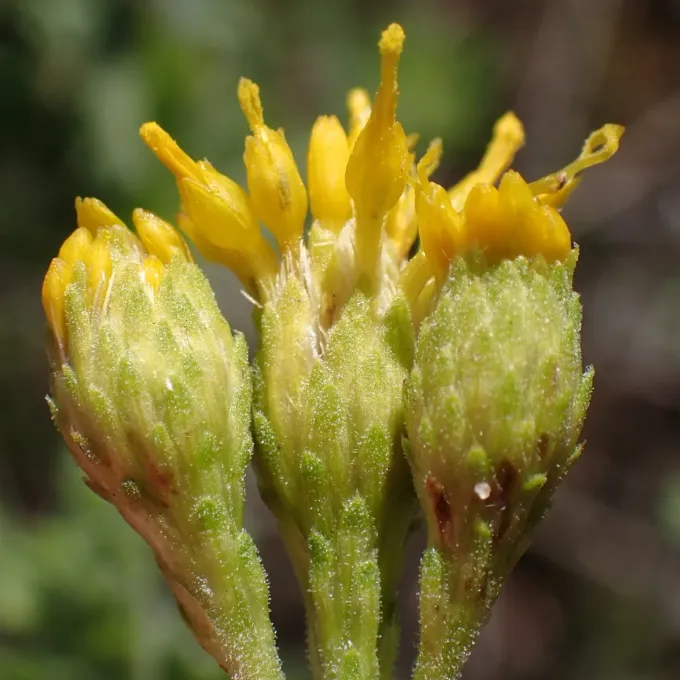
Description
Growing requirements
Isocoma menziesii, commonly known as coastal goldenbush, is a hardy perennial shrub belonging to the Asteraceae family. It is recognized for its woody stems and bright yellow flower clusters that appear in late summer and autumn.
Native to the coastal areas of California and Baja California, this plant is perfectly adapted to Mediterranean climates. It thrives in open, sunny locations where it receives full sunlight throughout the day.
The cultural requirements for Isocoma menziesii are minimal, making it an excellent candidate for xeriscaping and sustainable land management. It is highly resistant to heat and prolonged periods of drought.
In terms of soil preference, the plant adapts well to various textures, including sandy, rocky, and clay-rich soils. It is particularly notable for its tolerance to saline conditions, which is common in coastal environments.
Agricultural and environmental usage primarily focuses on land stabilization and habitat restoration. The plant acts as a vital nectar source for local pollinator populations during the dry seasons when other sources are scarce.
Main diseases and pests
The primary threat to the health of Isocoma menziesii is poor soil drainage. When kept in waterlogged conditions, the roots become susceptible to various fungal pathogens that can lead to rapid decline.
Insects such as aphids or certain coleopteran larvae may occasionally feed on foliage; however, these infestations are usually manageable and do not require heavy chemical interventions.
Root rot remains the most significant physiological threat, often exacerbated by overly rich fertilizers that promote succulent, vulnerable growth rather than the natural woody texture of the plant.
Competition from non-native, invasive weed species can suppress young seedlings, necessitating active management during the establishment phase of a new plantation or restoration project.
Proper field management involves ensuring adequate space between plants to allow for airflow, which reduces the humidity around the base of the shrub and prevents the buildup of fungal spores.