
Isocoma acradenia
Isocoma acradenia
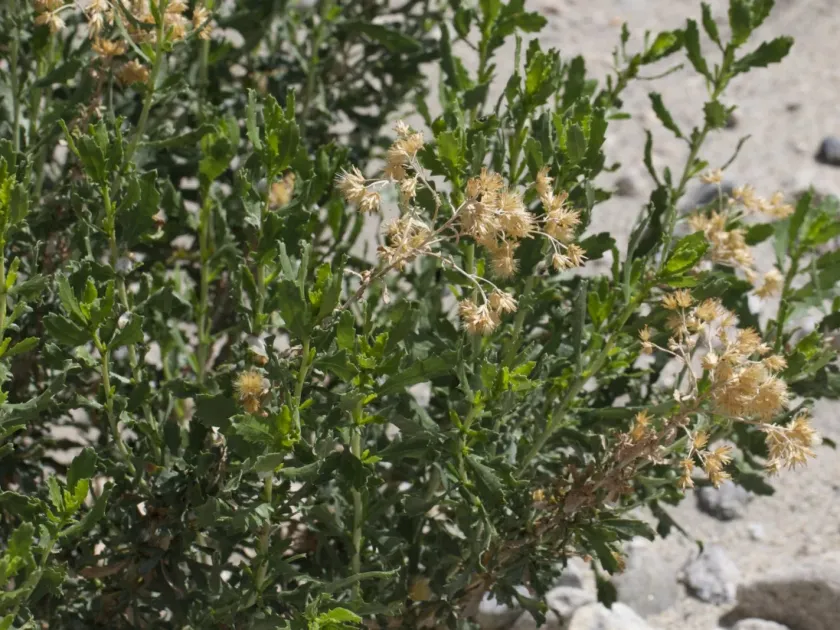
Description
Growing requirements
Isocoma acradenia, commonly known as alkali goldenbush, is a perennial shrub belonging to the Asteraceae family. It is a resilient species native to the desert environments of the Southwestern United States and Northern Mexico, where it thrives in arid conditions that few other plants can tolerate.
The plant is characterized by its ability to inhabit alkali-rich, dry soils, often found in salt marshes, dry washes, and desert plains. Its biological adaptation to these extreme environments involves a deep root system and foliage designed to minimize water loss through evapotranspiration.
Botanically, the species produces numerous erect stems that support clusters of yellow, disk-shaped flowers. These flowers are highly valued by native pollinators, making the plant an essential component of the desert ecosystem during late summer and autumn when other nectar sources are scarce.
Agricultural and horticultural requirements for Isocoma acradenia focus on replicating its natural habitat. This includes providing full sun exposure and avoiding waterlogged conditions, which are the most common cause of failure in cultivated specimens. Soils must be coarse, well-draining, and alkaline.
While not a traditional food crop, its potential lies in land restoration, saline soil remediation, and xeriscaping. Its use in environmental engineering projects helps stabilize soil in regions prone to erosion and desertification, making it a valuable tool for sustainable land management.
Main diseases and pests
The most significant threats to the health of Isocoma acradenia are related to moisture management, as excessive irrigation can lead to root rot and other systemic fungal pathogens.
Pest pressure is relatively low, though populations of aphids or spider mites can occasionally appear on tender new growth during the primary spring growing season.
To prevent disease outbreaks, cultivation must prioritize the plant's need for airflow and low humidity, avoiding overhead watering which encourages fungal spore germination.
Sanitation practices, such as the seasonal removal of deadwood, are recommended to maintain the structural integrity of the shrub and prevent the accumulation of moisture-retaining debris.
Implementing integrated pest management (IPM) strategies is generally sufficient to manage localized infestations without the need for intensive synthetic pesticide intervention.