
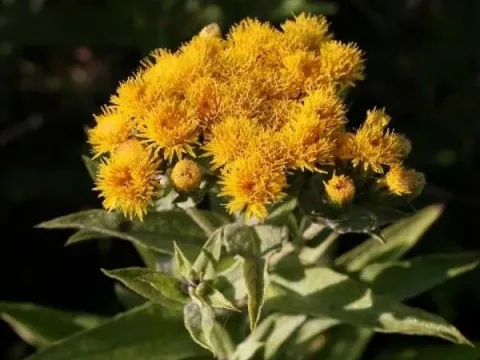
German elecampane
Inula germanica
German elecampane (Inula germanica) is a perennial herbaceous plant belonging to the Asteraceae family. Known for its medicinal properties and role as a nectar source, this species is increasingly recognized in sustainable farming systems.
What the section contains
German elecampane
The plant originates from the Eurasian steppes and forest-steppe zones. Its natural habitat includes sunny, dry hillsides and meadows, which determines its high adaptability to open, well-lit agricultural fields.
Climate requirements for this crop include a preference for temperate conditions with distinct seasonal changes. It exhibits strong cold hardiness, surviving winter conditions in regions with significant temperature drops.
Soil requirements are centered on well-draining structures. The plant thrives on loamy or sandy soils, avoiding heavy, waterlogged clay soils that can trigger root rot. Fertility levels should be moderate to ensure healthy biomass accumulation.
Regarding agricultural techniques, row spacing is essential for mechanical weeding. The establishment of the crop is usually done via seeds, requiring a clean seedbed free of perennial weed competition during the early stages of growth.
In terms of threats, fungal diseases are the primary concern for German elecampane plantations. Powdery mildew can appear during late summer, particularly when high humidity and poor air circulation occur.
Insect pests, including aphids and specific species of beetles, can damage the leaves and flower buds. Infestations typically occur during the intensive growth phase, causing a reduction in the overall yield of the valuable plant material.
Cultural control methods are highly effective against these threats. Proper spacing ensures adequate ventilation, while regular mechanical cultivation of row intervals keeps the area free of alternative host plants for pests.
Integrated Pest Management (IPM) should be applied to balance crop protection with environmental standards. Using organic-approved sprays is recommended when the damage thresholds are exceeded to maintain the quality of the harvested crop.
Constant monitoring is crucial. Scouting for symptoms such as chlorotic leaves or visible pest clusters helps in making informed decisions about whether intervention is necessary, thus protecting the economic viability of the farm.