
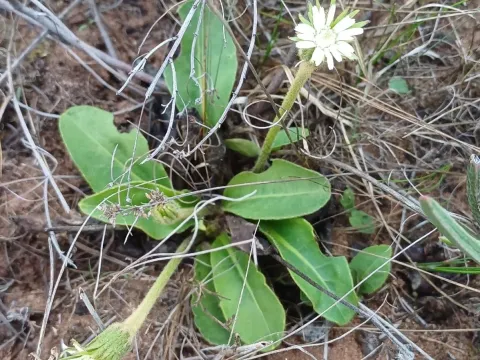
Gerbera piloselloides
Gerbera piloselloides
Gerbera piloselloides is a perennial herbaceous plant belonging to the Asteraceae family. It is native to the African continent, primarily found in grasslands and mountain slopes, showcasing strong adaptation to diverse environmental niches.
What the section contains
Gerbera piloselloides
Botanically, the plant is distinguished by its basal rosette of leaves covered in fine, dense hairs. These trichomes serve a protective function, reducing water loss through transpiration and providing resistance against harsh weather conditions.
Cultivation of this species requires well-drained, nutrient-rich soil with a neutral to slightly acidic pH level. Soil structure is critical; compaction can significantly hinder the growth of the root system and reduce overall plant vitality.
Regarding climate, Gerbera piloselloides prefers stable conditions with adequate exposure to sunlight. While it shows resilience to temporary drought, consistent moisture during the active growing season promotes better foliage and flower quality.
The agricultural and economic interest in this plant is primarily rooted in its ornamental value. Furthermore, ongoing research explores its potential secondary metabolites for use in traditional medicine and pharmaceutical development.
The primary threats to this culture are fungal pathogens, specifically those causing root and crown rot, such as Pythium and Phytophthora. These diseases thrive in environments with poor drainage and excessive moisture.
Powdery mildew represents a significant risk in greenhouse environments, manifesting as a white, dusty layer on the leaves. If left untreated, it leads to leaf necrosis and significantly impairs the plant's ability to undergo photosynthesis.
Insect pests, notably spider mites and thrips, represent a constant challenge for farmers. These pests pierce the leaf tissue to feed on cell sap, leading to stunted growth and providing entry points for secondary bacterial infections.
Effective management requires an Integrated Pest Management (IPM) approach. This involves regular monitoring, the use of beneficial insects, and the targeted application of pesticides only when economic thresholds are reached.
Sanitation practices are essential for preventing the spread of diseases. Clearing fallen debris, sterilizing tools, and ensuring proper spacing between plants are fundamental steps in maintaining a healthy and productive crop.