
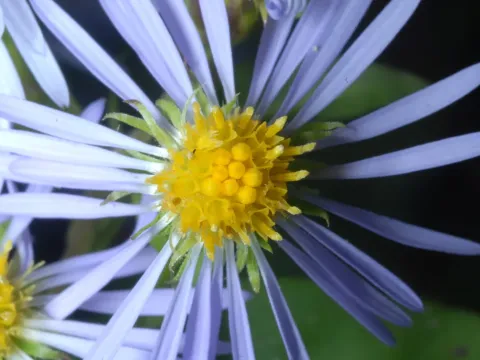
Swamp aster
Symphyotrichum puniceum
Swamp aster seeds require cold stratification to break dormancy; therefore, sowing in late autumn is the preferred method for successful field germination.
What the section contains
Swamp aster
If sowing is planned for the spring season, seeds must be kept in a moist cold environment at roughly 4°C for at least eight weeks before planting.
Vegetative propagation via root division is highly recommended for commercial production to ensure uniformity and vigor across the entire crop stand.
Divisions should be performed in early spring as soon as the frost leaves the soil and the plant begins to show initial signs of vegetative growth.
Planting density should be carefully managed, keeping spacing at approximately 50 centimeters to prevent competition for light and soil nutrients.
Symphyotrichum puniceum belongs to the Asteraceae family and is specifically adapted to wet, marshy habitats where moisture is constant and reliable.
The crop thrives in rich, organic, and moisture-retentive soils, demonstrating a high tolerance for sites that would be too saturated for most other crops.
While tolerant of partial shade, full sun exposure is essential for maximizing biomass production and ensuring robust flower development during late summer.
The plant is extremely cold-hardy, surviving even in harsh northern winters provided the root system remains insulated by moist soil or snow cover.
Proper soil management involves maintaining a slightly acidic to neutral pH, which is optimal for nutrient uptake in wetland-dwelling perennials.
Powdery mildew represents the primary threat to foliage health, especially during humid spells or in areas with poor airflow between individual plants.
Aphids can pose a significant challenge by clustering on stems and developing buds, potentially transmitting viruses and causing stunted plant growth.
Root rot is a potential risk if stagnant water conditions are combined with anaerobic soil issues, necessitating proper site selection and drainage.
Slugs and snails can cause substantial damage to young shoots in the spring, requiring vigilant monitoring and integrated pest management strategies.
- Regular field scouting for pests
- Application of selective fungicides
- Maintaining proper spacing for airflow
- Soil nutrient management through organic mulches