
Heteranthemis viscidehirta
Heteranthemis viscidehirta Schott
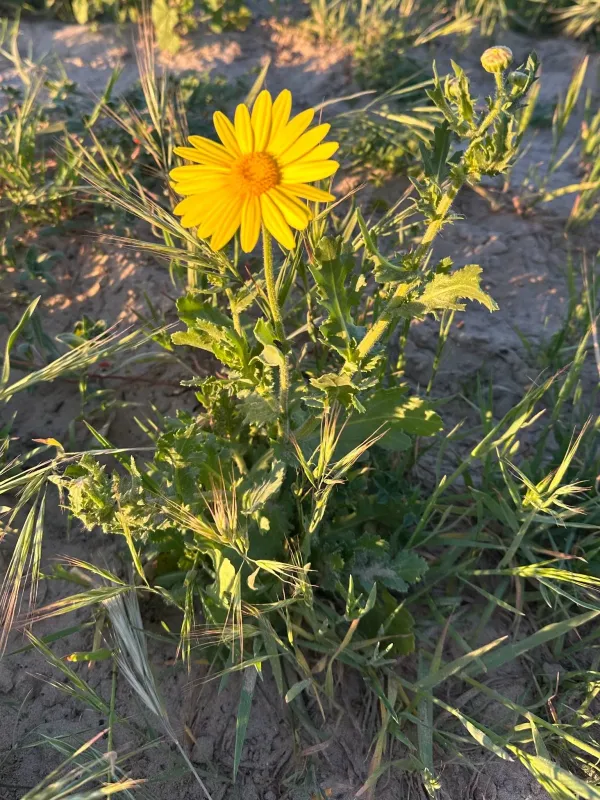
Description
Sowing dates
Heteranthemis viscidehirta is an annual herbaceous plant belonging to the Asteraceae family. In agricultural practice, sowing is performed in the spring season when the soil warms up to 10–12°C, which ensures optimal germination of the seeds.
Sufficient moisture in the topsoil layer is required for successful seed germination. It is recommended to use row sowing with inter-row spacing of about 45 cm, which allows for efficient subsequent mechanized crop maintenance.
The sowing depth is 2–3 centimeters, depending on the soil structure and density. When sowing in dry soil, it is necessary to perform rolling to ensure close contact between the seed and soil particles for effective moisture absorption.
Adherence to sowing deadlines is critical to prevent the loss of seedlings from frost, to which young plants of this crop are sensitive. Early sowing allows maximum use of moisture from the winter-spring period.
The plant density should be adjusted based on soil fertility and the planned level of management. Optimal crop density helps suppress weed vegetation in the early growth phases of the culture.
Growing requirements
The crop prefers well-lit areas with high solar radiation intensity. Heteranthemis viscidehirta is demanding regarding temperature regimes and shows moderate resistance to short-term soil droughts due to a well-developed root system.
The best soils for cultivation are light loamy and sandy chernozems with good aeration. Excessive waterlogging and stagnant water are destructive to the root system and can lead to root rot.
The soil pH should be in the slightly acidic or neutral range (6.0–7.5). The plant responds positively to the application of moderate doses of nitrogen-phosphorus fertilizers during the active vegetation period to stimulate biomass growth.
The temperature optimum for development is 20–25°C. When deviating from these values towards significant cooling, metabolic processes slow down, which delays flowering and seed maturation.
Agrotechnical care includes regular inter-row cultivation to prevent soil crust formation. This measure helps retain moisture and improves oxygen access to the roots, which is crucial during early developmental stages.
Main diseases and pests
Fungal diseases, which develop under conditions of high air and soil humidity, pose the main threat to the crop. Among them, powdery mildew and various types of leaf spots are the most common.
Pests, such as aphids and weevils, can cause significant damage to the plant's reproductive organs during the budding period. The use of insecticides is allowed only at early stages if the economic injury threshold is exceeded.
Adherence to crop rotation is a mandatory condition to minimize the accumulation of specific pathogens in the soil. It is recommended to return the crop to the same field no sooner than after 3–4 years.
Monitoring of the fields should be carried out weekly from the moment the first seedlings emerge. An important preventive measure is the removal of weeds that can serve as reservoirs for viral and fungal infections.
To prevent the spread of diseases, it is necessary to ensure proper ventilation of the crops by adhering to seeding rates and maintaining spatial isolation from potentially infected fields.