
Hedypnois arenaria
Hedypnois arenaria
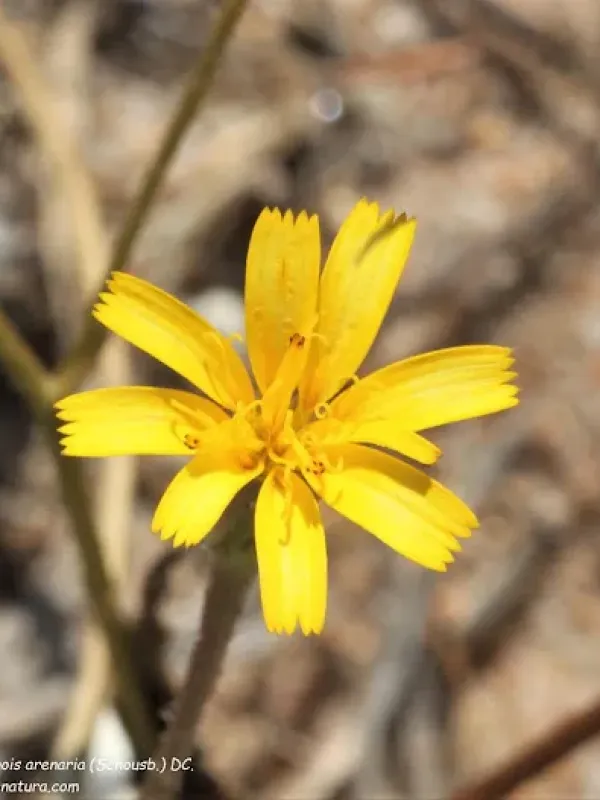
Description
Growing requirements
Hedypnois arenaria, a member of the Asteraceae family, is an annual herbaceous plant known for its ability to thrive in sandy and well-drained soil types. It is particularly valued in regions where soil moisture retention is limited.
The plant requires full sun exposure and prefers neutral to slightly alkaline soil conditions. It is remarkably drought-tolerant, making it an excellent candidate for cultivation in arid or semi-arid environments where other crops might fail.
Climate requirements include a frost-free growing season with warm temperatures during the flowering stage. Excessive moisture is detrimental to this crop, as it quickly leads to root zone issues and potential fungal infections.
Agronomic practices focus on maintaining low competition from weeds, as Hedypnois arenaria is not initially aggressive against faster-growing weeds. Minimal but balanced fertilization is recommended to support biomass production without inducing lodging.
Botanically, it features a distinct basal rosette and yellow, solitary flower heads. The crop is efficient in nutrient uptake from sandy substrates, leveraging its deep root system to access minerals in lower soil horizons.
Main diseases and pests
The primary threats to Hedypnois arenaria are fungal diseases such as powdery mildew and rust, which become prevalent in humid conditions with poor air circulation between plants.
Insect pests, particularly aphids, can cause significant damage to the flower heads and terminal buds, leading to reduced seed yields and stunted development of the plant.
Root rot caused by persistent waterlogging is a critical danger that can wipe out entire stands of the crop. To prevent this, fields must be carefully leveled and provided with optimal drainage systems.
Soil-dwelling larvae, such as wireworms, pose a risk during the germination phase by feeding on roots and emerging shoots. Pre-sowing seed treatments and mechanical cultivation help mitigate these risks.
A comprehensive integrated pest management approach, emphasizing monitoring and biological control, is essential for maintaining crop health and achieving sustainable yields in sandy field conditions.