
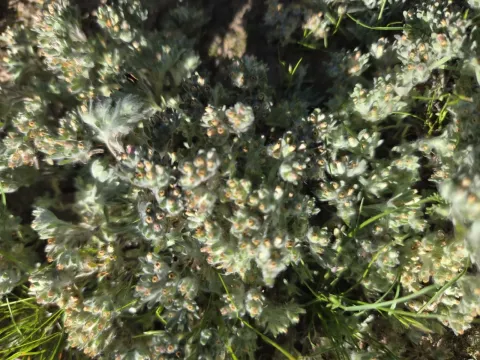
Gnaphalium glomerulatum
Gnaphalium glomerulatum
Sowing of Gnaphalium glomerulatum is typically scheduled for early spring when the soil has reached consistent warm temperatures. The seeds are very small, necessitating surface sowing followed by light rolling to ensure good contact with the soil medium.
What the section contains
Gnaphalium glomerulatum
Optimal germination requires a temperature range between 18 and 22 degrees Celsius. Maintaining consistent moisture in the top soil layer is critical, as dehydration during the sprouting stage is fatal to young seedlings.
For commercial production, a row spacing of 30 to 45 centimeters is standard. This configuration allows for sufficient nutrient access and facilitates effective mechanical weeding between the rows.
Seeds should not be buried deeper than 0.5 centimeters. Excessive depth of planting leads to the depletion of the embryo's energy reserves and a sharp decline in field emergence rates.
In regions experiencing unpredictable spring weather, the use of plastic mulching or row covers is recommended to accelerate germination and protect delicate sprouts from late frost damage.
Gnaphalium glomerulatum, a member of the Asteraceae family, thrives in well-drained, sandy, or loamy soils. It prefers neutral to slightly acidic pH levels and dislikes poorly drained, heavy clay environments.
The plant is highly heliophilic and requires full sun exposure throughout the growing season. Shading, whether from tall adjacent crops or dense weeds, leads to spindly growth and a significant reduction in the synthesis of active pharmaceutical compounds.
Although the plant exhibits moderate drought tolerance, it requires regular moisture during the active vegetative and budding phases. Irrigation should be precise to prevent waterlogging, which often induces root rot.
While the crop can adapt to relatively poor soils, the application of small doses of phosphorus and potassium fertilizers during early development significantly boosts biomass production and plant vigor.
Weed control is the most significant agronomic challenge. Given the slow early growth rate, the crop is highly susceptible to competition in the first month, making timely weeding essential for successful establishment.
The yield of Gnaphalium glomerulatum depends heavily on soil fertility and the level of management. Under optimal conditions, a harvest of 1.5 to 2 tons of dried herbal mass per hectare can be achieved.
The highest concentration of biologically active substances, such as flavonoids and essential oils, is reached during the full flowering stage. Harvesting at the precise maturity level is vital for quality assurance.
Crop productivity is highly sensitive to plant density. Proper spacing ensures uniform distribution of nutrients and prevents the thinning of stands caused by intense intraspecific competition.
Using certified seed stocks significantly improves the genetic potential of the crop. Regular renewal of seed sources helps maintain resistance to local stressors and prevents the degeneration of the plant population.
Post-harvest processing involves removing impurities and debris, which directly impacts the final market value of the raw material in the pharmaceutical supply chain.
The primary threats to this crop are fungal root diseases, often triggered by excessive soil moisture or poor drainage. Fusarium wilt is a major concern in overly wet, stagnant conditions.
Pests such as aphids and certain leaf-feeding beetles can cause significant damage during the budding phase. Their rapid reproduction cycles necessitate early monitoring and immediate intervention.
Crop rotation is the most effective preventative measure. Gnaphalium should not be planted in fields previously occupied by other Asteraceae members to minimize the accumulation of species-specific soil-borne pathogens.
Powdery mildew may occur under conditions of high humidity and poor airflow. Managing plant density and maintaining clean field borders help reduce the spread of such infections.
Integrated Pest Management (IPM) protocols should be followed strictly. Given its medicinal use, the application of chemical pesticides is heavily regulated, favoring biological alternatives to ensure safety and purity.
Harvesting is performed during the stage of mass flowering, just before the seed heads begin to shed. At this point, the aerial parts of the plant contain the peak concentration of active ingredients.
The harvest involves cutting the entire above-ground part of the plant, roughly 2 to 3 centimeters above the soil line. Care must be taken to avoid soil contamination, as it reduces the grade of the pharmaceutical product.
Once cut, the raw material must be transported immediately for drying. Delays can lead to fermentation, which causes the degradation of heat-sensitive chemical compounds and ruins the harvest.
Drying should be conducted in shaded, well-ventilated areas or in temperature-controlled drying facilities at no more than 40 degrees Celsius. Rapid but gentle drying preserves the herb's color and characteristic aroma.
The final dried product is sorted, cleaned of impurities, and stored in breathable containers to maintain quality during transport to processing facilities.