
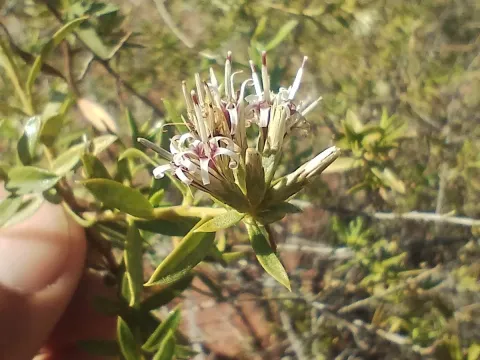
Gochnatia
Gochnatia
Gochnatia is a genus of flowering plants belonging to the Asteraceae family. These plants are typically found as woody shrubs or small trees, demonstrating significant adaptation to various ecological niches, particularly in the neotropical regions of South America.
What the section contains

Gochnatia
The natural habitat of Gochnatia spans across Brazil, Argentina, and parts of the Caribbean, where these plants thrive in savannas and open woodlands. This geographical distribution highlights the plant's natural preference for regions with distinct wet and dry seasons.
Botanically, the genus is characterized by dense inflorescences and, in many species, a notable tolerance to nutrient-poor and rocky soil conditions. The structure of their leaves often includes specialized adaptations to minimize water loss, which is essential for survival in their native range.
For cultivation purposes, it is critical to provide well-draining soil and ample sunlight to maintain the health of the plant. Gochnatia is highly sensitive to frost, requiring a stable, warm climate to achieve proper development and growth.
In terms of human use, these plants are primarily valued for their ornamental potential in arid-land landscaping and their traditional medicinal roles in local cultural practices. Researchers also examine the genus for its phytochemical properties and potential for sustainable wood products.
The primary threats to Gochnatia involve root pathogens triggered by excessive moisture and poor soil aeration. Preventing waterlogging is the most important measure in managing the long-term health of the plant population.
Pest issues such as spider mites and aphids are common under low-humidity conditions. Maintaining proper spacing and air circulation between plants is effective in preventing these infestations from reaching damaging levels.