
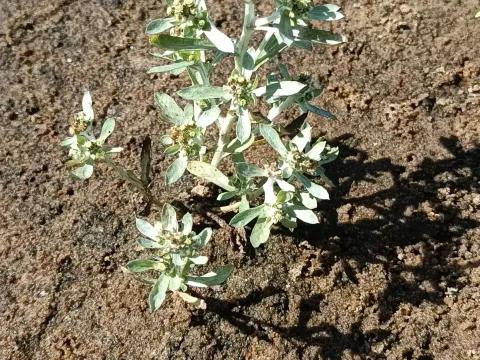
Gnaphalium rossicum
Gnaphalium rossicum
Gnaphalium rossicum, commonly known as marsh cudweed, is an herbaceous annual plant belonging to the Asteraceae family. It is naturally adapted to moist environments, thriving in wetlands, along riverbanks, and in water-logged agricultural soils.
What the section contains
Gnaphalium rossicum
The plant has specific biological requirements for soil moisture. It is highly sensitive to drought, particularly during the early stages of development, making consistent water supply a fundamental requirement for successful farming.
Optimal growth occurs in loam or peaty soils that retain moisture well. The plant prefers neutral to slightly acidic pH levels and requires adequate sunlight for robust vegetative development.
Botanically, it features a highly branched stem growing up to 25 cm, covered in a characteristic white, woolly tomentum. This adaptation helps the plant manage transpiration and survive in humid microclimates.
Economically, Gnaphalium rossicum is highly valued as a medicinal herb. Its extracts are used extensively in the pharmaceutical industry, particularly for treating hypertension and gastrointestinal ulcers.
Sowing requires careful land preparation. Because the seeds are extremely small, the soil surface must be finely leveled to ensure even distribution and prevent the seeds from burying too deeply.
The optimal time for sowing is early spring once the soil warms up to about 8–10 degrees Celsius. Successful germination depends on surface contact with moist, fine-textured soil.
To ensure uniform density across the field, it is recommended to mix seeds with a filler such as dry sand or peat. This technique helps in preventing overcrowding and ensures each plant receives proper spacing.
The seeding depth should be minimal, as the small seeds lack the energy to push through deep soil layers. Light rolling after seeding helps improve moisture contact and germination speed.
Post-emergence, the plants grow slowly, requiring intensive weed control. Protecting young seedlings from aggressive competitors is the most critical stage of the early cultivation process.
Yield for Gnaphalium rossicum is calculated based on the total biomass of the aerial parts collected during the peak flowering stage. Favorable weather conditions with steady moisture are key to high yields.
Success in farming depends on managing the field's water balance effectively. Proper irrigation practices ensure that plants continue to accumulate the biomass necessary for profitable harvesting cycles.
The final yield is heavily influenced by the plant density and the prevention of competitive weed growth. Efficient agronomic management helps in achieving a consistent harvest of high-quality medicinal material.
Quality control begins at the harvest. The product's value is determined not only by the weight but also by the chemical concentration of active compounds, which peaks during the blooming phase.
Adhering to strict harvesting schedules and post-harvest handling processes allows producers to maximize the pharmaceutical value of their crop on a per-hectare basis.
The main threats to Gnaphalium rossicum are fungal diseases associated with excessive soil moisture and stagnant water, which can trigger root and stem rot infections.
Soil pests, such as wireworms, can damage young seedlings, significantly reducing the density of the crop. Preventive measures include proper field rotation and soil aeration to discourage pest activity.
Weed competition is a constant threat throughout the growing season. Because the crop develops slowly at the start, weeds can quickly overtake the plot, stealing light, water, and nutrients.
In high-humidity conditions, powdery mildew can occur, especially in dense stands. Maintaining proper spacing and air circulation within the canopy is essential for reducing the risk of foliage diseases.
Integrated pest management strategies are encouraged to avoid the use of harsh chemicals, ensuring the final product meets the safety standards required for medical use.
The harvest must be conducted exactly during the full flowering period. This ensures that the plant contains the maximum concentration of active medicinal compounds required for pharmaceutical extraction.
Plants should be cut or pulled with care, ensuring they are free from soil, debris, and foreign plant material. Cleanliness is paramount for meeting quality standards in the medical herb industry.
Immediate transportation to the drying facility is crucial to prevent fermentation and spoilage, which can quickly degrade the active ingredients in the succulent plant tissues.
Drying should take place in well-ventilated areas at temperatures not exceeding 45 degrees Celsius. Excessive heat can destroy the sensitive volatile compounds that give the plant its medicinal value.
Once dried to a moisture content of 12–14%, the product should be sorted and packaged in moisture-proof, dark containers to preserve its quality and efficacy during storage.