
Filifolium sibiricum
Filifolium sibiricum
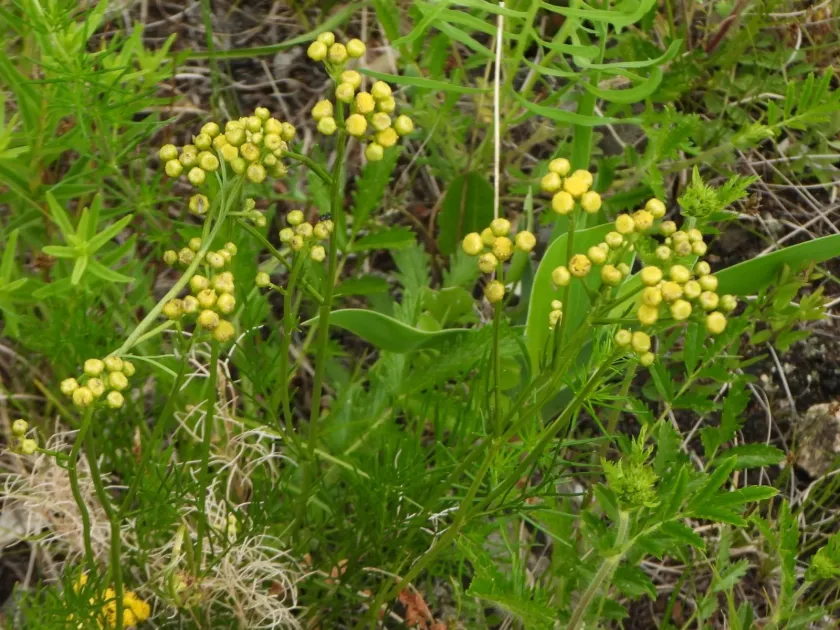
Description
Sowing dates
Sowing of Filifolium sibiricum is typically planned for the early spring, as soon as the soil reaches temperatures suitable for germination of hardy perennial seeds.
Before sowing, it is often necessary to subject the seeds to cold stratification to overcome natural dormancy and ensure a uniform germination rate across the field.
The seeds should be sown in rows spaced approximately 30 to 45 centimeters apart to provide enough space for individual plants to develop their root systems.
Due to the small size of the seeds, they should be placed at a shallow depth of about 1 to 2 centimeters to prevent them from becoming buried too deeply to emerge.
Rolling the soil surface after seeding is a recommended agricultural practice to ensure consistent seed-to-soil contact and optimal moisture retention for the germination process.
Growing requirements
Filifolium sibiricum is a member of the Asteraceae family, well-adapted to the harsh climates of Siberia and other northern regions of the globe.
The plant thrives in well-drained, light soils and is sensitive to waterlogging, making proper soil preparation and drainage essential for a successful crop.
It is a highly photophilous plant that requires significant sunlight for vigorous growth and for the synthesis of the essential oils it is valued for.
This species is extremely cold-hardy, capable of surviving severe winters without special protection, which makes it an excellent choice for northern agriculture.
Optimal growth is observed in conditions of moderate moisture, though the plant is resilient enough to withstand short periods of dry conditions once established.
Main diseases and pests
The species possesses natural resistance to many common pests, largely due to the presence of potent essential oils and bitter substances in its tissues.
Root rot is the most common threat, usually occurring only when the plant is grown in compacted, wet soils where air circulation at the root level is poor.
While foliar insects can occasionally be found on the plants, they rarely cause significant economic damage that would necessitate the use of chemical pesticides.
Maintenance of healthy crop rotation and adequate soil aeration are the most effective preventative measures against the majority of potential pathogens.
As this plant is often used for pharmaceutical or specialized feed purposes, sustainable management and the avoidance of synthetic chemicals are highly encouraged.
Harvesting
Harvesting is best timed during the peak of the flowering phase, as this is when the concentration of the plant's valuable chemical constituents is at its highest.
Mechanical harvesting via mowing is the standard method, with the blades set to leave a sufficient stubble height to protect the plant's basal crown for regrowth.
Immediate drying is essential after harvesting to prevent spoilage and the loss of volatile compounds, which are key to the quality of the raw material.
The material should be dried in a well-ventilated, shaded environment at moderate temperatures to maintain its chemical integrity and aesthetic quality.
Proper storage in dry, moisture-proof containers ensures that the harvested raw material remains high-quality and shelf-stable for subsequent processing.