
Spotted Joe-Pye weed
Eutrochium maculatum (L.) E. E. Lamont
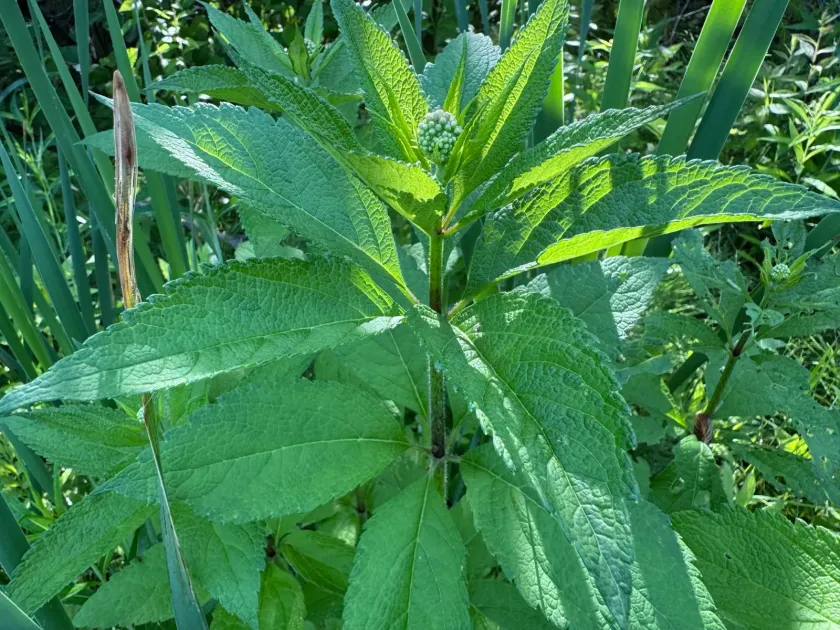
Description
Sowing dates
Propagation of Spotted Joe-Pye weed is primarily achieved through seeds or vegetative division. Seeds are typically sown in open ground in late autumn, or started indoors in early spring for greenhouse cultivation.
When starting from seeds, a cold-moist stratification period of 30-40 days is essential to break dormancy and ensure high germination rates. This mimics natural environmental cycles and encourages robust seedling growth.
Seedlings are transplanted to their final location once the danger of spring frost has passed, usually late May. Planting density should be 50-60 cm apart to allow proper air circulation between mature specimens.
Vegetative division is recommended for established clumps aged 3-4 years. This process is best performed in early spring or autumn, providing an efficient way to expand plantings while maintaining genetic consistency.
The plant thrives in sites with full sun to light shade exposure. Given its vigorous growth habit, providing ample space at the time of planting is crucial for developing a strong root structure and achieving structural integrity.
Growing requirements
As a member of the Asteraceae family, Eutrochium maculatum has significant moisture requirements. It naturally inhabits damp meadows, riverbanks, and wetlands, which dictate its primary cultivation preferences.
Soils must be fertile, humus-rich, and capable of consistent moisture retention. Heavy loam or silt-based soils with adequate drainage yet high water-holding capacity serve as optimal substrates for this species.
The species is exceptionally winter-hardy and can withstand harsh temperatures without the need for additional protective mulch. In temperate zones, the plant enters deep dormancy and reliably resumes growth every spring.
Regular irrigation is vital during the growing season, especially throughout periods of low rainfall. The plant is highly sensitive to soil desiccation, which can rapidly lead to wilting and reduced floral output.
Standard care involves annual mulching with organic matter around the base. This practice helps maintain consistent soil moisture, suppresses weed encroachment, and creates a stable environment for the root system.
Main diseases and pests
Spotted Joe-Pye weed generally exhibits high resilience and is rarely troubled by pests or diseases if planted in an appropriate location. Poor soil drainage remains the main threat, as it can lead to root rot.
Occasional herbivory by leaf-eating larvae may occur, though it rarely affects the overall health of the plant. Monitoring for caterpillar activity during early summer is usually sufficient to maintain plant vigor.
Powdery mildew may develop in late summer under conditions of high humidity and poor ventilation. Proper spacing during the initial planting phase is the most effective preventative measure against fungal outbreaks.
Aphids can sometimes colonize tender flower buds, drawing nutrients from the developing plant. Integrated pest management, focusing on encouraging natural predators, is usually the best approach for long-term control.
Autumn sanitation is critical for disease management. Removing dead foliage and stalks significantly reduces the pool of potential fungal pathogens that might otherwise survive until the next growing season.
Harvesting
The primary utility of Spotted Joe-Pye weed is ornamental display and support for local pollinators. It serves as an essential late-season nectar source, providing forage when many other species have ceased blooming.
For cut flower production, harvest stems during peak bloom. Flowers retain their structural integrity in vases for an extended period, provided that water is changed regularly to prevent bacterial growth.
In landscape maintenance, the plant is typically cut back to 5-10 cm above the ground in late autumn. This practice tidies the landscape and prepares the crown for its winter dormant period.
Dried inflorescences are highly valued in floriculture for rustic winter arrangements. Harvesting at the right stage and drying in a dark, well-ventilated space ensures longevity of the decorative stems.
Regular cutting promotes rejuvenation and prevents excessive self-seeding. Managing the harvested biomass through composting contributes to the fertility of the garden area for subsequent growing years.