
Joe Pye weed
Eutrochium purpureum (L.) E. E. Lamont
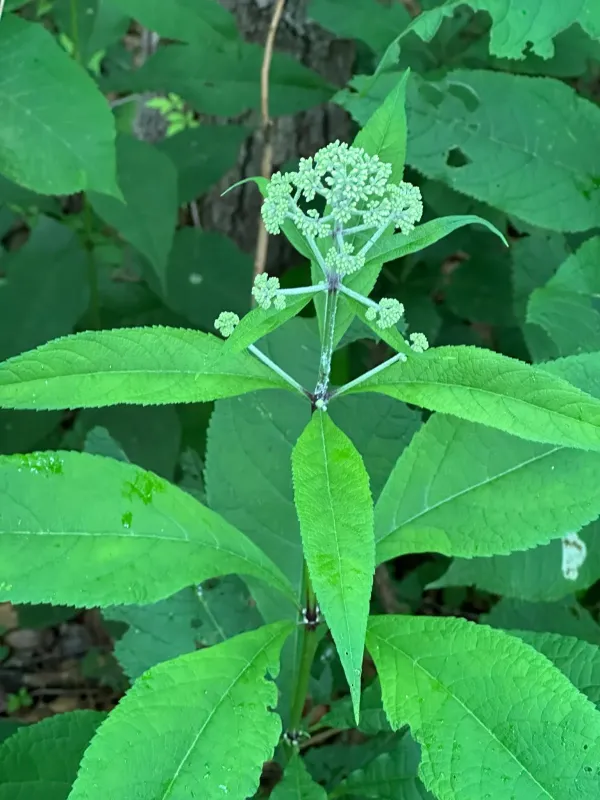
Description
Sowing dates
Joe Pye weed is typically propagated via seeds sown in late winter or early spring, or through the division of mature root clumps during the dormancy period.
Seeds require a period of cold stratification to break dormancy, ensuring a high germination rate when sown in prepared seedbeds or controlled nursery environments.
When propagating by division, each segment should contain at least two to three healthy buds to ensure vigorous growth and rapid establishment in the field.
Plants should be spaced approximately 60 to 90 centimeters apart to allow for proper airflow and to accommodate the significant mature size of the species.
Early spring planting allows the root system to become established before the onset of summer temperatures, which is critical for ensuring the long-term survival of the crop.
Growing requirements
Eutrochium purpureum is a member of the Asteraceae family that thrives best in moisture-retentive, fertile soils with a neutral or slightly acidic pH level.
The plant performs exceptionally well in locations with consistent soil moisture, such as near water sources or in low-lying areas that do not suffer from stagnant water.
While tolerant of partial shade, full sun exposure is ideal for maximum biomass production and to encourage the richest nectar flow for pollinators.
Maintenance involves providing supplemental irrigation during prolonged dry spells, as the species is sensitive to extreme drought conditions throughout its growing cycle.
The plant is highly winter-hardy and does not require complex protection, making it an excellent candidate for large-scale production in temperate climate zones.
Yield
The economic yield of Joe Pye weed is primarily centered on its biomass for medicinal use or its ecological value in supporting beneficial insect populations.
Proper soil fertility management using organic fertilizers can significantly increase the total green mass production per hectare for commercial extraction purposes.
As a highly prized nectar source, the crop enhances the productivity of surrounding entomophilous plants by attracting significant numbers of bees and butterflies.
Sustainable harvest practices can maintain the longevity of the plant beds for a decade or more, provided that the soil is periodically replenished with organic matter.
Managing the plant density and performing regular weeding ensure that resources are directed toward productive stem growth rather than competition with invasive weeds.
Main diseases and pests
Fungal diseases, including powdery mildew, can pose a risk during periods of high humidity or poor ventilation within the dense foliage of the plant community.
Insect pests such as aphids or leaf-feeding caterpillars may periodically affect the plant; however, they rarely cause significant economic damage to healthy, well-maintained crops.
Monitoring the soil for root-related pests and ensuring that the planting site has adequate drainage will help mitigate the risks of root rot in susceptible conditions.
- Maintain proper spacing to improve air circulation.
- Implement integrated pest management (IPM) strategies.
- Monitor regularly for signs of leaf discoloration.
A healthy, robust plant is usually capable of resisting minor pest pressure, highlighting the importance of proper site selection and soil preparation at the start.
Harvesting
The harvesting of medicinal aerial parts is best conducted during the peak of the flowering season, when the plant's essential compounds are most concentrated.
Stems should be cut cleanly at a height of 10 to 15 centimeters above the ground to facilitate rapid recovery and regeneration of the plant in the following cycle.
Harvested material should be kept cool and dry, undergoing a gentle drying process in shaded areas to preserve the integrity of the plant's active ingredients.
Removing spent blooms at the end of the season prevents unnecessary seed scattering and promotes a cleaner field appearance for the duration of the winter months.
All harvesting tools must be cleaned and sterilized between different sections of the farm to minimize the risk of spreading pathogens across the plantation.