
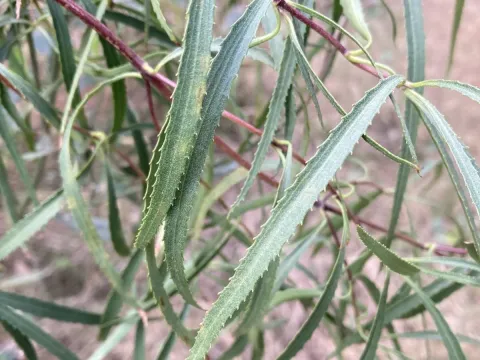
Eupatorium tremulum
Eupatorium tremulum
Sowing of Eupatorium tremulum is typically conducted using seeds, either in autumn for outdoor germination or in early spring within greenhouse facilities. Preparing the seeds with a period of cold stratification significantly improves germination rates.
What the section contains
Eupatorium tremulum
In temperate climates, the ideal time for sowing is late March or early April. Ensuring the seeds are sown in a fine, well-aerated seedbed allows for optimal contact between the soil and the seed, which is critical for successful emergence.
Space the seeds or young seedlings approximately 50 centimeters apart. This spacing prevents overcrowding, which is essential for maintaining airflow and reducing the risk of fungal diseases during the plant's rapid growth phase.
Cover seeds with a thin layer of soil or fine vermiculite, ensuring they remain moist during the initial stages. Use of a light mist irrigation system helps keep the top layer of soil consistent without displacing the small seeds.
Establishing a uniform stand during the first year is vital. By providing adequate light and preventing competition from weeds, the plants can develop a robust root system before the onset of the first winter.
Eupatorium tremulum thrives in fertile, moisture-retentive loamy soils with a neutral or slightly acidic pH. The plant requires a well-structured soil that allows for both water retention and adequate drainage.
Full sunlight is preferred, although the plant can tolerate partial shade during the peak heat of the day. A location protected from strong winds is recommended to prevent mechanical damage to the tall flowering stalks.
Regular irrigation is necessary throughout the growing season, particularly during the flowering stage. Soil moisture should be checked frequently to avoid periods of water stress which can inhibit vegetative development.
Incorporate organic matter, such as well-rotted compost, into the soil prior to planting to enhance fertility. Supplement with a balanced NPK fertilizer in the spring to promote healthy foliage growth.
Mulching the soil surface helps to regulate soil temperature and minimize evaporation. Applying organic mulch also adds necessary nutrients back into the soil as it slowly decomposes over time.
The yield of Eupatorium tremulum is optimized by maintaining high plant density and optimal soil health. Commercial harvest typically begins from the second year onwards as the plants reach full maturity.
Under favorable conditions, expect a substantial biomass yield. Regular rejuvenation of the plants through division every few years is necessary to sustain high productivity levels and prevent the clump from becoming woody and less productive.
Proper harvesting timing—specifically during the peak of the blooming season—ensures that the harvested biomass is of the highest possible quality for pharmaceutical or industrial applications.
Weed control throughout the season is perhaps the most significant factor in maintaining high yield targets. Minimizing competition allows the plants to allocate resources towards biomass and flower development.
Data from test plots suggest that consistent nutrient management and moisture control can lead to stable annual yields. Accurate record-keeping of harvesting dates helps in optimizing subsequent years' production schedules.
Powdery mildew is a common concern, especially in humid conditions with poor air circulation. Managing plant density and ensuring good field hygiene are primary methods for reducing the incidence of this fungal disease.
Root rot, caused by waterlogged soil, can severely damage crops. Implementing proper drainage systems and avoiding over-irrigation are critical preventative measures for maintaining root system health.
Aphids and spider mites are typical pests that feed on the succulent tips of the plant. Monitoring the crop early and using targeted biopesticides can effectively manage pest populations without harming beneficial insects.
Slugs and snails may cause damage to young seedlings. Using barrier methods or specialized traps in the early spring protects the young growth until the plants are sturdy enough to withstand minor damage.
Maintaining a clean field environment by removing debris and weeds helps reduce the overwintering sites for both pathogens and pests, ensuring a healthier crop throughout the entire growing cycle.
Harvesting is performed by cutting the upper portion of the stems, leaving a substantial part of the base to allow for regrowth. Using sharp, clean tools is essential to prevent injury to the plant and promote quick recovery.
The biomass must be transported quickly to the drying facility. Freshly harvested material can quickly ferment if stored in large, dense piles, which leads to a decrease in the quality of the raw material.
Drying should take place in a controlled environment, away from direct sunlight, to maintain the integrity of the plant's natural components. A temperature of 40 degrees Celsius is usually sufficient for efficient drying.
Once dried, the material should be processed to remove any impurities, such as stems, dirt, or foreign matter, before final storage or packing. Quality control at this stage is vital for market compliance.
Storing the product in cool, dry, and dark conditions maintains its potency. Proper inventory management ensures that the crop is utilized within its effective shelf-life period for the best commercial value.