
Western goldenrod
Euthamia occidentalis
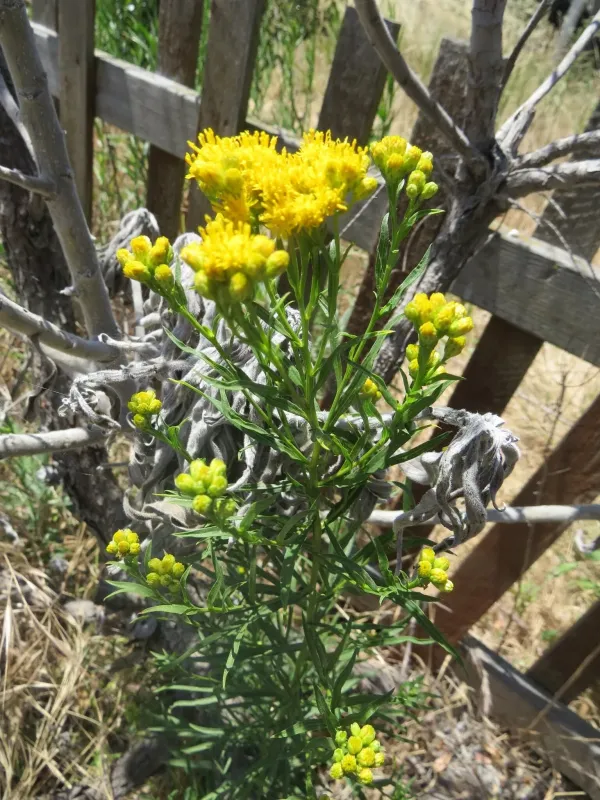
Description
Growing requirements
Western goldenrod (Euthamia occidentalis) is a member of the Asteraceae family. This perennial herbaceous plant is native to western North America, typically inhabiting moist environments such as riverbanks, stream margins, marshes, and damp meadows.
The plant is characterized by its rhizomatous growth habit, allowing it to form dense clusters. It exhibits significant adaptability to disturbed wetland sites, playing a role in stabilizing soil and preventing erosion along aquatic margins.
For optimal growth, Euthamia occidentalis requires full sun exposure. It is highly sensitive to competition and shade; therefore, cultivation sites should be cleared of taller vegetation to ensure vigorous development.
The soil requirements focus on moisture retention and fertility. While it thrives in moist soils, it can tolerate a variety of soil types ranging from sandy to loamy, provided that the water table remains relatively consistent throughout the growing season.
Climate adaptability is a key trait of this species. It is well-suited to temperate climates, showing good cold hardiness. It initiates growth early in the season once soil temperatures rise, reaching its peak flowering phase in late summer.
Yield
The primary economic use of Western goldenrod is its value as a honey plant. Its late-season bloom provides a critical nectar source for bees and other pollinators when many other agricultural crops have already finished their reproductive cycle.
In landscaping and restoration ecology, the plant is utilized for revegetating riparian zones. Its ability to create dense stands helps protect sensitive habitats and offers a native alternative to introduced invasive species in wetland areas.
The plant is also harvested for decorative purposes. Its flat-topped clusters of small yellow flower heads are valued in the floral industry as fillers in fresh and dried arrangements, providing a bright, airy aesthetic.
Research into the secondary metabolites of Euthamia occidentalis suggests potential applications in the cosmetic and pharmaceutical industries. Its essential oils and botanical extracts are studied for their potential bio-active properties.
While not a traditional cash crop, Western goldenrod offers high utility in sustainable agricultural systems. Its low requirement for fertilizers and pesticides makes it an attractive choice for eco-friendly land management and conservation agriculture.
Main diseases and pests
Powdery mildew is the most common fungal disease affecting Euthamia occidentalis, especially in conditions of poor air circulation and high humidity. Proper spacing during planting is essential to reduce the risk of infestation.
Aphids can occasionally infest the terminal growth during the vegetative phase. These are typically managed by natural predatory insects, and chemical intervention is rarely necessary or recommended for non-commercial stands.
The species can spread aggressively through its rhizomes. In environments where its presence is unwanted, regular mowing before seed set is the most effective management strategy to prevent it from becoming a dominant weed.
Root rot is rarely a concern unless the plant is grown in areas with stagnant, oxygen-deprived water. Ensuring that the site has moving groundwater or moderate drainage is the best preventative measure against soil-borne pathogens.
Pest and disease management is largely preventative. By focusing on site selection and ensuring proper density, growers can maintain healthy stands of Western goldenrod without the need for intensive chemical plant protection programs.