
Carolina goldentop
Euthamia caroliniana
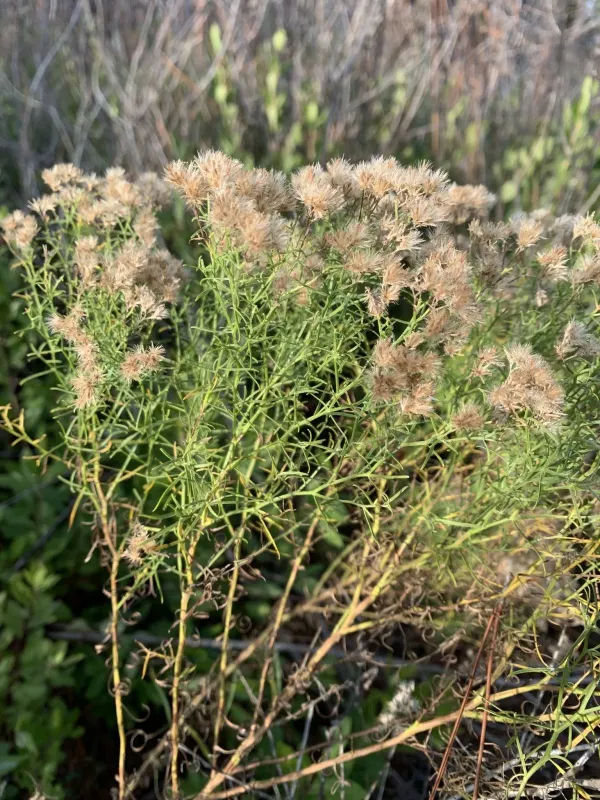
Description
Growing requirements
Carolina goldentop (Euthamia caroliniana) is a perennial herbaceous plant belonging to the Asteraceae family. Native to Eastern North America, it is typically found in coastal plains, sandy dunes, and open, sunny habitats.
The plant is distinguished by its narrow, gland-dotted leaves and bright yellow flower clusters arranged in corymbs. It typically blooms in late summer to autumn, providing essential resources for pollinators when many other plants have faded.
Success in cultivation requires full sun exposure. While it adapts to various soil types, it performs best in well-drained, sandy or loamy soils that can maintain a moderate level of moisture during the growing season.
Temperature requirements are generally moderate, as the plant is adapted to diverse climates within its range. Adequate spacing is crucial to prevent the stems from becoming leggy and to ensure proper air movement.
This species is highly valued in ecological restoration and native plant landscaping. It serves as a vital source of nectar for bees, butterflies, and other beneficial insects, supporting local ecosystem health.
Main diseases and pests
Common plant diseases include powdery mildew, which often manifests during periods of high humidity and poor air circulation. Proper spacing between individual plants is the best preventative measure against this condition.
Insect pests such as aphids can occasionally congregate on terminal shoots. Monitoring the plant during the early growth phase allows for early intervention before significant damage occurs to the foliage.
Rust fungi may affect the leaves, particularly in areas with excessive moisture or frequent rain. Keeping the immediate environment clean from debris helps to reduce fungal spore accumulation.
Root rot is a potential risk if the soil becomes waterlogged. Ensuring that the planting site has excellent drainage is critical for the long-term survival and vigor of the goldentop.
Integrated pest management strategies are recommended, focusing on maintaining plant health through correct soil management and avoiding excessive fertilization, which could lead to weak, susceptible growth.