
Grass-leaved goldenrod
Euthamia graminifolia
Description
Growing requirements
Grass-leaved goldenrod, or Euthamia graminifolia, is a perennial flowering plant belonging to the Asteraceae family. It is native to North America and typically thrives in meadows and damp sites.
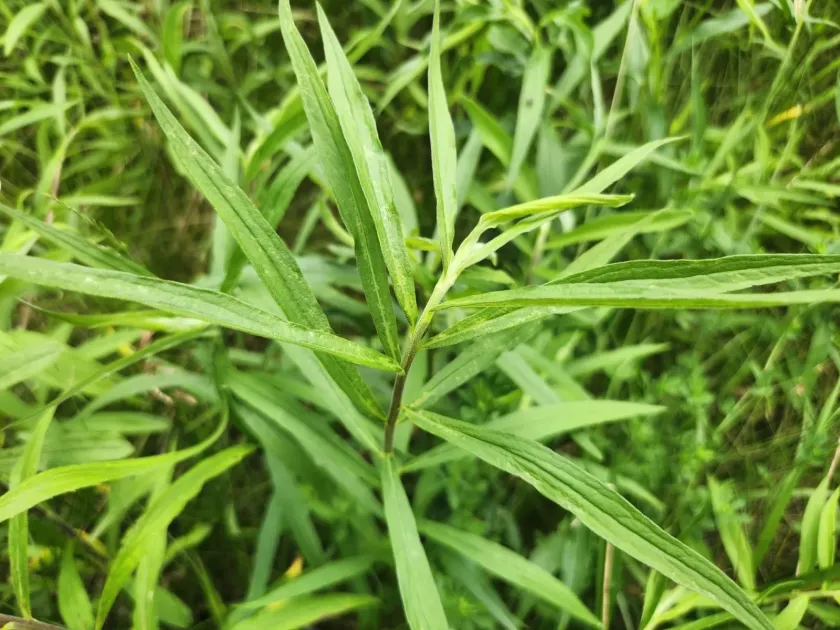
The plant features thin, grass-like foliage and clusters of bright yellow flowers. It spreads through vigorous rhizomes, forming dense colonies that are highly effective in soil stabilization.
Cultivation requires full sun to partial shade and consistently moist, fertile soil. It is known for its high adaptability to varying climatic conditions and excellent winter hardiness.
In agricultural practice, thinning is often necessary to prevent overcrowding. Adequate water management is crucial during the flowering stage to maximize nectar production.
Beyond its aesthetic value, it serves as a significant pollinator-friendly plant, playing a key role in supporting local bee populations and beneficial insect life.
Main diseases and pests
The most common disease impacting this culture is powdery mildew, which develops during periods of high humidity and poor air circulation.
Rust fungi can occasionally affect the foliage, resulting in necrotic spots that reduce the plant's overall health and vigor.
Aphids are the primary insect pests, frequently colonizing the tender shoot tips and buds during the active growing season.
Spider mites may become an issue in exceptionally hot and dry summers, causing leaf discoloration and premature wilting.
Effective management includes maintaining proper spacing between plants and implementing organic or chemical control measures upon the first signs of infestation.