
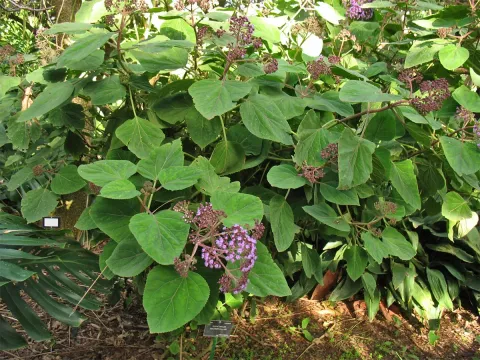
Eupatorium macrophyllum
Eupatorium macrophyllum
Eupatorium macrophyllum is a member of the Asteraceae family. It is a robust perennial herb known for its large leaves and significant biomass production capabilities in temperate and tropical environments.
What the section contains
Eupatorium macrophyllum
Propagation is typically achieved through seeds or vegetative division of established rootstocks. Seeds require a period of cold stratification to ensure uniform germination across the field.
Sowing should be performed in well-prepared seedbeds with fine soil texture. The optimal sowing depth is shallow, as the seeds need light for proper germination process.
For large-scale cultivation, direct drilling is possible provided that moisture levels are strictly monitored. Transplants are often preferred to ensure high establishment rates in professional agricultural settings.
Spacing is a critical agronomic factor; plants should be placed at least 50 centimeters apart to prevent resource competition and ensure adequate airflow through the canopy.
This crop thrives in moist, fertile soils rich in organic matter. It exhibits a high water requirement and should be grown in locations where irrigation can be managed effectively during dry spells.
While Eupatorium macrophyllum can tolerate partial shade, maximum growth and leaf yield are typically achieved under full sun conditions, provided water availability is sufficient.
Soil pH preference ranges from slightly acidic to neutral. Periodic soil testing is recommended to ensure that nutrient availability remains optimal for vegetative development.
Fertilization regimes should focus on nitrogen during the early growth phase, switching to potassium and phosphorus before the reproductive stage to improve overall plant health.
Weed control is essential, especially in the first year of establishment. Mulching is highly effective for maintaining soil moisture and suppressing competitive plant species.
Common pests include aphids and mites, which can cause significant damage to young leaves. Monitoring programs should be implemented to identify infestations at an early threshold.
Fungal pathogens such as powdery mildew represent a major threat in high-humidity areas. Proper plant spacing is the most effective cultural method to reduce disease prevalence.
Root rot caused by stagnant water or poor drainage is a frequent issue in heavy clay soils. Installing drainage tiles or raising beds can mitigate this risk significantly.
Integrated Pest Management (IPM) strategies, including the use of beneficial insects, are encouraged to maintain a balance within the crop environment without excessive chemical use.
Regular sanitation of the field, including the removal of dead plant material at the end of the season, helps reduce the overwintering survival of various crop-specific pests.
Harvesting for biomass or medicinal leaf extraction is ideally timed with the initiation of the flowering phase, ensuring the highest concentration of specialized metabolites.
Manual or mechanical harvesting involves cutting the stalks above the lower nodes to allow for potential regrowth or simply to manage the plant's entry into winter dormancy.
Post-harvest processing involves immediate drying in well-ventilated structures. Excessive heat must be avoided to prevent the degradation of volatile compounds found in the leaves.
Once dried to the desired moisture level, the product should be baled or bagged and stored in a cool, dark environment to preserve its quality and market value.
Long-term planning is important as Eupatorium macrophyllum is a productive perennial that can remain economically viable for several years if proper harvest intervals are maintained.