
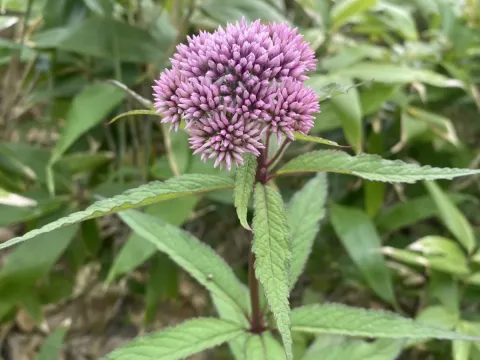
Eupatorium glehnii
Eupatorium glehnii
Eupatorium glehnii is a perennial herbaceous plant belonging to the Asteraceae family. It is native to the Far East regions, including parts of Japan and Korea, where it thrives in moist meadows.
What the section contains
Eupatorium glehnii
Propagation is typically performed via seeds or by root division. Spring is the optimal time for division, allowing the plant to establish its root system before the summer heat arrives.
When starting from seeds, it is recommended to provide a light, well-draining soil mix. The seeds require light for germination and should be sown shallowly to ensure successful development.
Transplanting seedlings to their permanent location should be carried out after the threat of frost has passed, ensuring sufficient space between plants for healthy airflow.
This species is long-lived and can remain in the same location for many years, forming robust, upright clumps that provide structure to the landscape.
The plant prefers fertile, loamy soils with a neutral or slightly acidic pH, which provide the essential nutrients required for vigorous vegetative growth.
Moisture is critical for Eupatorium glehnii. While it requires consistent watering, particularly during dry spells, it is essential to avoid waterlogged soil conditions to prevent rot.
Full sun is ideal for optimal growth and flowering. Although the plant can tolerate partial shade, insufficient light may result in leggy growth and reduced structural integrity.
Fertilization should be balanced, with a focus on nitrogen in early spring to support leaf development and phosphorus-potassium mixtures before the onset of the flowering stage.
The plant is highly winter-hardy and typically does not require specialized protection, although mulching around the root zone helps conserve moisture and protect the crown during winter.
In a commercial context, the plant is valued for its biomass, which contains active compounds utilized in herbal medicine and cosmetic formulations.
Yield efficiency is directly linked to soil quality and irrigation management. Proper spacing and weed control are essential for maximizing the annual harvest of leaves and stems.
The harvest timing is best set to the peak flowering phase, as this period corresponds to the highest concentration of phytochemicals within the plant tissues.
For ornamental or botanical purposes, productivity is measured by the quality of the floral displays, which are characterized by dense, corymbose clusters of small flowers.
Consistent results are achieved by maintaining soil health and adhering to standard harvesting practices, ensuring the long-term sustainability of the planting site.
Powdery mildew is a common concern for Eupatorium glehnii, particularly in humid climates with poor air circulation, manifesting as a white fungal growth on the foliage.
Insect pests, including aphids and leaf-eating beetles, can reduce the quality of the biomass and should be managed through regular scouting and integrated pest management.
Root rot represents a significant threat if drainage is inadequate. Managing soil moisture and preventing standing water are the primary defense strategies against these pathogens.
Sanitation practices, such as removing debris and dead foliage at the end of the season, are crucial for minimizing the overwintering of pests and fungal spores.
Early detection and prompt action, whether through mechanical removal or the use of approved biological treatments, ensure the longevity and health of the crop.