
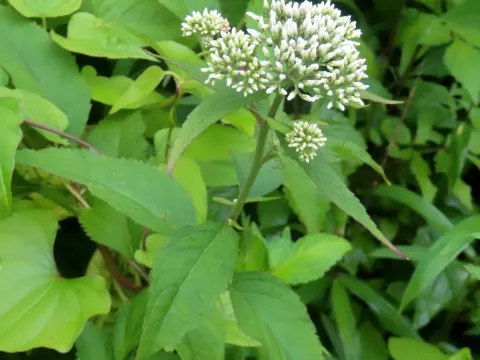
Eupatorium chinense
Eupatorium chinense
Eupatorium chinense is a perennial herbaceous plant belonging to the Asteraceae family, valued for its biological properties and potential in medicinal and botanical industries.
What the section contains
Eupatorium chinense
The propagation of this crop is primarily conducted through the vegetative division of rhizomes during the spring or autumn, ensuring the preservation of specific horticultural traits.
Seed-based propagation requires cold stratification for several weeks to improve germination rates, as the seeds respond positively to natural cooling and moisture cycles.
Planting density is a critical factor for productivity; usually, spacing of 50 to 60 centimeters between plants is recommended to allow for adequate airflow and nutrient access.
Initial weed control is essential in the first year of establishment, as young plants may be outcompeted by aggressive weeds during their early stages of growth.
The plant thrives in sunny locations with high light intensity, although it exhibits tolerance to partial shade in warmer climates, which helps maintain moisture levels in the foliage.
Eupatorium chinense demands high levels of soil moisture and prefers fertile, loamy soils with good drainage, reflecting its natural habitat along riverbanks and moist meadows.
The crop responds well to the application of organic amendments, such as compost or well-rotted manure, which enhance the structural integrity and nutrient profile of the soil.
Maintaining a neutral to slightly acidic soil pH is optimal for nutrient uptake and the overall development of the extensive root system that characterizes this perennial.
Protection from strong winds is recommended to prevent mechanical damage to the tall, upright stems, especially during the peak growth season when the plant is most vulnerable.
The economic yield of Eupatorium chinense is primarily measured in biomass, which contains specific flavonoids and essential oils utilized in the pharmaceutical industry.
Consistent irrigation and proper soil fertilization are the key drivers for maximizing biomass production on a commercial plantation scale throughout the growing season.
The plant reaches its peak yield potential after several years of cultivation, making it a sustainable choice for long-term production cycles with minimal annual replanting.
Regular harvesting protocols ensure that the quality of the raw material meets industrial standards, which often dictate specific chemical requirements for the final processed product.
Strategic field management, including the renewal of older plots, helps maintain high productivity rates and prevents the decline of yields associated with soil nutrient depletion.
Fungal pathogens such as powdery mildew can pose a risk if the planting density is too high or if environmental conditions lead to excessive humidity around the foliage.
Pests like aphids and spider mites may infest the plants, particularly during dry spells, potentially reducing the overall quality and vitality of the medicinal crop.
Integrated pest management, including the use of targeted biological controls and proper site sanitation, is the most effective approach for minimizing damage from these threats.
Early detection of infestation or disease symptoms through routine field inspections is crucial for applying timely treatments before significant economic loss occurs.
Ensuring proper plant spacing is a fundamental cultural practice that prevents the creation of microclimates conducive to the development of fungal infections.
Harvesting is traditionally carried out during the period of full bloom, which corresponds to the peak concentration of active pharmaceutical compounds within the plant tissues.
The aerial parts of the plant are typically cut at a height of 10 to 15 centimeters above the ground, allowing the rhizome to remain intact for regeneration in subsequent years.
Post-harvest handling involves the rapid transfer of fresh material to drying facilities to prevent heat degradation and to maintain the integrity of the essential plant components.
Drying is performed at controlled temperatures to ensure that moisture is removed efficiently without compromising the heat-sensitive bioactive compounds present in the stems.
Final storage conditions must involve dry, cool, and ventilated environments to extend the shelf life of the dried raw material before it is processed for market distribution.