
Eriophyllum wallacei
Eriophyllum wallacei
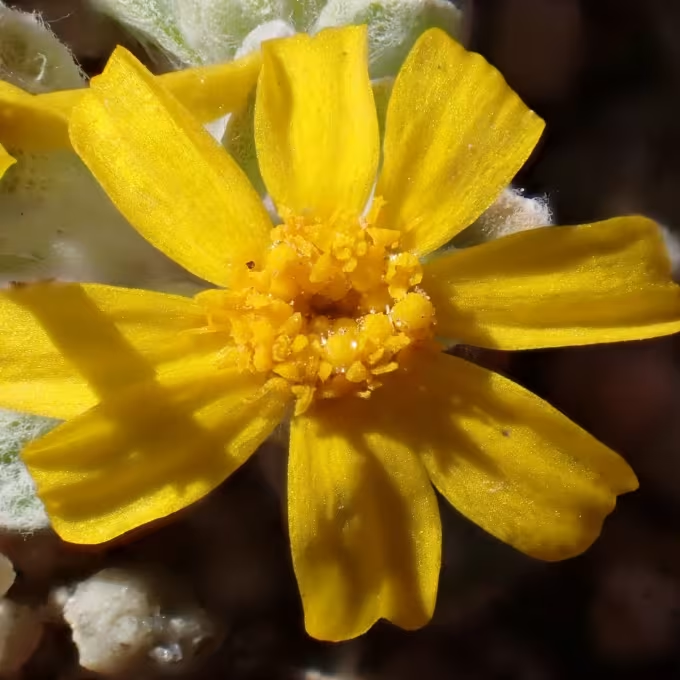
Description
Growing requirements
Eriophyllum wallacei is a member of the Asteraceae family, native to the arid regions of the southwestern United States and Mexico, where it thrives in extreme desert conditions.
Botanically, it is recognized for its fine, woolly-like pubescence covering the foliage, an evolutionary adaptation that significantly reduces water loss through transpiration.
The plant demands full solar exposure and performs best in well-draining, gritty, or sandy soils that mimic the natural conditions of its original habitat.
Agrotechnical management requires minimal intervention, as this species is naturally evolved for survival in nutrient-poor substrates and regions with erratic rainfall patterns.
It is an ideal candidate for low-maintenance landscaping projects in arid climates, requiring almost no supplemental irrigation once the plants are established.
Main diseases and pests
The primary agronomic challenge when cultivating Eriophyllum wallacei is the prevention of root rot, which is almost exclusively caused by overwatering or poor drainage.
Fungal pathogens like powdery mildew may affect the foliage if the plants are situated in areas with high humidity or poor air circulation during temperate seasons.
Pests such as aphids and spider mites can occasionally cause damage, particularly in greenhouse-grown specimens that lack the tough cuticle developed in natural sunlight.
Root nematodes represent a potential threat if the soil composition is too heavy or compacted, potentially leading to stunted growth or premature wilting.
Effective management includes maintaining a dry environment around the crown of the plant and choosing planting sites that allow for maximum airflow to prevent moisture buildup.