
Golden Yarrow
Eriophyllum confertiflorum
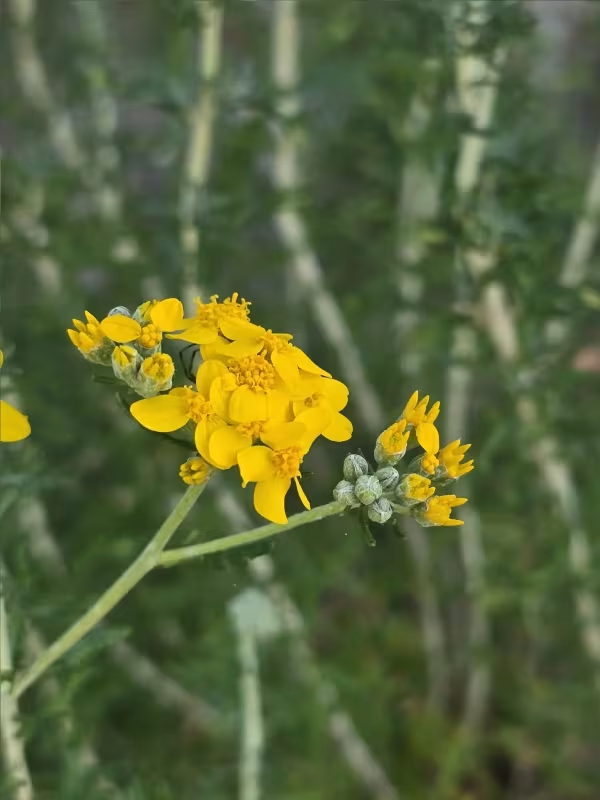
Description
Sowing dates
Sowing seeds of Eriophyllum confertiflorum in a controlled environment is best done in late winter or early spring. Using seed trays with a well-draining, sterile growing medium ensures high germination rates.
A period of cold stratification can be beneficial for breaking dormancy in seeds, mimicking the natural environmental cycles of its native North American range. Keep the germination temperature consistent around 18–20 degrees Celsius.
Once all risks of frost have passed, the hardened-off seedlings should be transplanted into their permanent outdoor location. Proper spacing is critical to allow for air circulation, which prevents fungal buildup around the base.
If direct seeding, it is essential to ensure the soil is free of weed competition, as seedlings grow slowly in their early stages and are easily suppressed by more aggressive plants.
Consistent, light moisture is required until the seedlings are well-established, after which the plants require significantly less water as they develop their deep root systems.
Growing requirements
Eriophyllum confertiflorum, a member of the Asteraceae family, is a drought-tolerant perennial adapted to Mediterranean-type climates. It thrives in full sun, requiring at least six to eight hours of direct light daily.
The soil must have exceptional drainage. Heavy soils prone to water retention are detrimental to this plant and often lead to root decay within a single growing season.
This species excels in nutrient-poor, sandy, or rocky soils. It does not require intensive fertilization, as excessive nutrients can result in leggy, weak growth that reduces the plant's natural aesthetic appeal.
Minimal irrigation is required once the plant is mature. It is highly adapted to summer-dry conditions, making it an excellent choice for low-maintenance water-wise gardens.
The plant demonstrates significant temperature resilience, tolerating moderate heat and light frost. However, prolonged exposure to high humidity combined with heat should be avoided.
Main diseases and pests
The primary threats to this crop are fungal diseases associated with improper soil drainage and excessive soil moisture. Root rot is the most common cause of plant failure in non-ideal conditions.
Aphids and spider mites may occasionally infest the plants, particularly during long stretches of hot, dry weather. Monitoring and manual removal or insecticidal soaps are usually sufficient for control.
Powdery mildew can occur if the plants are placed too closely together or if air circulation is obstructed. Pruning old flowers and maintaining proper spacing are effective preventative measures.
Soil-borne nematodes can pose a risk in areas where the soil has been repeatedly used for non-resistant crops, emphasizing the need for proper site rotation and soil sterilization if necessary.
During the spring, young foliage may be susceptible to snails and slugs. Utilizing barriers or ensuring the surface soil remains dry and porous can help protect the plants during these early growth stages.