
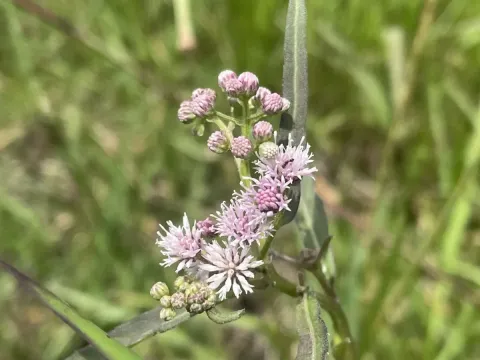
Ethulia
Ethulia
Ethulia is a genus belonging to the Asteraceae family, encompassing plants primarily adapted to tropical climates with specific growing requirements.
What the section contains
Ethulia
Propagation is typically achieved through seeds, which require a warm, stable environment and adequate moisture to germinate successfully.
For optimal results, seeds should be sown in a well-draining, nutrient-rich substrate, maintaining soil temperatures between 20°C and 25°C throughout the early stages.
In regions outside the tropics, indoor cultivation or greenhouse management is essential to protect the plants from temperature fluctuations and cold stress.
Proper spacing during sowing is crucial to ensure good air circulation once the plants begin to mature, preventing overcrowding and competition for resources.
Ethulia thrives in fertile, well-draining soils with a neutral pH, preferring environments that are rich in organic matter and well-aerated.
The crop is highly light-demanding and requires a significant number of daylight hours to achieve optimal vegetative growth and reproductive development.
Maintaining a consistent tropical temperature range is vital, as the plant is extremely sensitive to cold and can be easily damaged by temperatures below 15°C.
Regular irrigation is necessary to keep the soil consistently moist but never waterlogged, as stagnant water poses a severe risk to the root system.
Nutrient management involves balanced fertilization, particularly focusing on nitrogen in the early vegetative phase to support leaf development.
Fungal diseases are a primary threat to Ethulia, especially in high-humidity conditions where poor airflow leads to dampness around the plant base.
Pests such as aphids and spider mites are common issues, particularly in greenhouse settings where they can rapidly multiply if not monitored.
Root rot caused by soil-borne pathogens can be devastating if irrigation practices are not strictly managed or if the drainage system is inadequate.
Integrated pest management, including biological controls, is recommended to keep pest populations at manageable levels without compromising crop quality.
Prevention involves maintaining clean equipment, providing adequate space between plants, and ensuring optimal environmental conditions to keep plants robust.
Harvesting is typically performed before the onset of the flowering phase to ensure the plant's active compounds are concentrated in the leaves.
The process involves manual cutting of the aerial parts of the plant, which promotes potential regrowth if environmental conditions remain favorable.
Immediate drying is required post-harvest to preserve the quality of the raw material and prevent microbial growth or the degradation of aromatic compounds.
Drying should take place in a shaded, well-ventilated area to ensure uniform moisture removal while protecting the crop from direct sunlight.
Proper storage in airtight, dark containers is necessary to maintain the shelf life and potency of the harvested product for its intended use.