
Egletes prostrata
Egletes prostrata
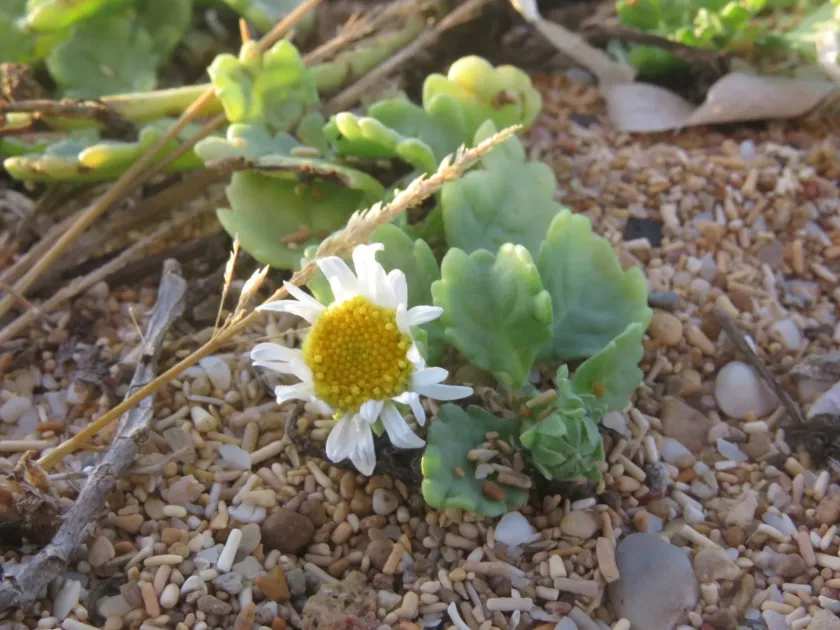
Description
Growing requirements
Egletes prostrata is a notable herbaceous plant belonging to the Asteraceae family. It is recognized for its unique botanical profile and is increasingly cultivated for its application in herbal medicine and research purposes.
Native to tropical regions of the Americas, this crop thrives in environments characterized by high humidity and consistent warmth. It is an essential plant for producers aiming to supply specific botanical markets with high-quality biological materials.
Successful cultivation requires well-drained, nutrient-rich soil with a slightly acidic to neutral pH level. Proper site preparation is necessary to ensure that the root system develops correctly, avoiding any compaction issues that could hinder plant growth.
Climate requirements for Egletes prostrata are strict regarding temperature stability. The plant requires a consistent tropical climate without freezing temperatures, as cold snaps can severely damage the plant's metabolic processes and overall yield potential.
Standard agronomic practices for this crop focus on moisture management. Consistent irrigation schedules are necessary to keep the soil moist but not waterlogged, as the plant is susceptible to physiological stress when subjected to prolonged drought or flooding.
Main diseases and pests
Root rot is the most significant disease threat to Egletes prostrata, typically triggered by poor drainage or excessive irrigation. Implementing a strict watering protocol is the primary defense strategy against these fungal pathogens.
Insect pests, including aphids and spider mites, pose a constant threat to foliage health. Regular scouting and early detection are essential to prevent widespread infestations that could reduce the overall yield of the crop.
Fungal diseases like powdery mildew may occur in high-humidity conditions where air circulation is restricted. Pruning practices that allow airflow between plants are vital to maintaining a healthy and productive crop canopy.
Weed control is critical during the establishment phase, as weeds can compete for nutrients and light. Mechanical weeding is preferred, provided that it is done carefully to avoid damaging the shallow root system of the crop.
To ensure sustainable yield, it is recommended to rotate the crop with non-susceptible species. This breaks the lifecycle of soil-borne pests and contributes to a healthier soil structure, supporting long-term productivity for the farm.