
Egletes viscosa
Egletes viscosa
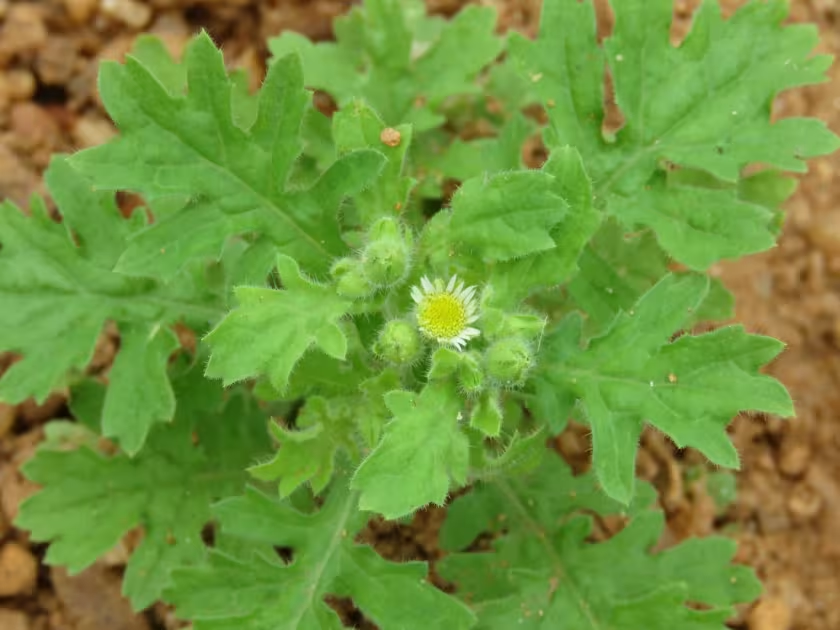
Description
Sowing dates
Egletes viscosa is a thermophilic annual or perennial herbaceous plant belonging to the Asteraceae family. In its native tropical habitats, sowing is typically performed at the beginning of the rainy season when the soil is warm and adequately moist.
In specialized agricultural settings, seeds are sown in a prepared substrate within protected structures to produce high-quality seedlings. Planting in the final field is carried out once steady daily temperatures consistently exceed +20°C.
Successful germination requires high humidity and moderate lighting; deep burial of the seeds is not recommended. It is best to distribute the fine seeds on the surface, pressing them lightly into the soil.
The optimal sowing density depends on the specific end-use, but a spacing of at least 30-40 cm between individual plants is recommended to ensure proper aeration across the plantation.
The period from emergence to the onset of active flowering is approximately 60-80 days, making the crop relatively early-maturing for regions with an extended growing season.
Growing requirements
This crop prefers well-drained sandy or sandy-loam soils with a neutral to slightly acidic pH. The presence of organic matter is a critical factor for providing essential nutrients during the period of intensive growth.
The plant exhibits a high reliance on sunlight, so choosing open, well-illuminated fields without shade from other tall crops is necessary to produce high-quality raw material.
During periods of moisture deficit, Egletes viscosa requires regular irrigation, though water stagnation in the root zone is detrimental, as it facilitates the development of rot and fungal diseases.
The optimal temperature range for the development of this crop is between +22°C and +30°C. If temperatures drop below +15°C, vegetation growth slows significantly, and the risk of physiological disorders increases.
Agronomic management includes systematic inter-row cultivation to prevent soil crusting and ensure oxygen availability to the root system, which is particularly vital in heavy or compact soil types.
Yield
The yield of Egletes viscosa is measured by the biomass of the aerial parts, which are utilized in pharmacology and traditional medicine. The primary metric for efficiency is the harvest of dry plant material per unit area.
With strict adherence to agronomic standards, one hectare can produce up to 2-3 tons of dried herb. The maximum output of active compounds is achieved at the peak of the plant's flowering phase.
Harvesting of inflorescences and leaves is performed manually or mechanically during dry weather, which helps preserve essential oils and other biologically active substances.
Post-harvest processing involves mandatory drying in the shade with good ventilation. Deviating from optimal drying temperatures can lead to a rapid degradation of the medicinal properties of the raw material.
Regular application of nitrogen-phosphorus fertilizers during the budding phase can increase the total biomass by 15-20 percent, positively impacting the final yield figures.
Main diseases and pests
Among the primary phytopathogens affecting Egletes are various fungal diseases of the root system. These usually arise under conditions of waterlogging and poor ventilation within the plantation.
Regarding insect pests, various aphid species and thrips pose the greatest danger, as they feed on the cell sap of young leaves and inflorescences, thereby weakening the plant significantly.
To prevent the spread of diseases and pests, it is recommended to utilize crop rotation and implement preventive treatments with biological plant protection products that are safe for medicinal use.
Pest management strategies include:
- Spraying with extracts from insecticidal plants.
- Timely removal and destruction of infected plants.
- Monitoring soil moisture to prevent fungal growth.
Plantation inspections should be conducted weekly, especially during periods of high humidity when the probability of powdery mildew or leaf spot infections increases significantly.