
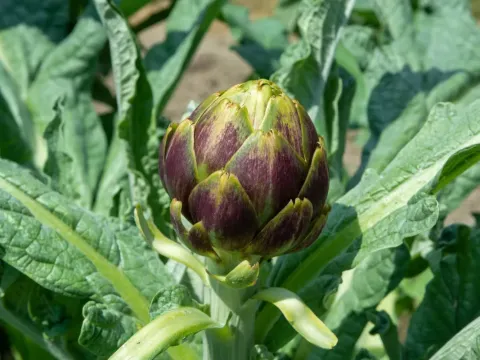
Artichoke hybrids
Cynara hybrids
Artichoke hybrids are typically grown as annuals or perennials depending on the climate, often started from seeds in greenhouses to ensure a longer growing season and higher yields.
What the section contains
Artichoke hybrids
Sowing in seed trays should begin 8-10 weeks before the last expected frost, providing consistent heat (20-22°C) for optimal germination of the hybrid seeds.
Seedlings need to be transplanted into larger individual pots once the first true leaves appear, which helps to establish a robust root system before moving them to the field.
Hardening off the plants is a crucial step before final transplanting to the field to ensure they adapt successfully to outdoor environmental conditions and sunlight intensity.
The planting distance for modern hybrids is essential to avoid overcrowding, as mature plants can spread significantly, requiring 1-meter spacing to maintain airflow and health.
Belonging to the Asteraceae family, Cynara hybrids require deep, fertile, and well-drained soil with a slightly alkaline or neutral pH to thrive and produce heavy crops.
These plants are sun-worshippers and require full exposure to direct sunlight for at least 6 to 8 hours daily to develop their dense, fleshy flower buds effectively.
Water management is paramount; while they enjoy moist soil, they are highly sensitive to waterlogging, which can cause crown rot and quickly kill the entire plant.
During the growing season, moderate temperatures between 15°C and 25°C are ideal for the development of large flower heads, while extreme heat may induce early bolting.
Regular fertilization with organic matter and balanced mineral complex fertilizers ensures steady nutrient supply, supporting the intensive growth cycles of hybrid varieties.
Hybrid artichokes are specifically bred for uniformity, providing a consistent size and quality of flower buds, which is highly valued in the commercial fresh market sector.
High-yielding crops depend on careful management of the plant's architecture, ensuring that lateral shoots are not overcrowded and have enough energy to develop secondary buds.
Proper irrigation and fertility programs can result in multiple harvests throughout the season, significantly increasing the total tonnage per hectare compared to standard varieties.
The first central bud is usually the largest, and timely harvest of this bud stimulates the production of secondary and tertiary buds on the side branches of the plant.
Yield stability is a key advantage of Cynara hybrids, as they are often more resistant to environmental stressors and better adapted to modern intensive agricultural systems.
Aphids represent a major threat to artichoke plantations, as they tend to congregate on the soft tissues of the buds and leaves, often necessitating integrated pest management.
Fungal pathogens like powdery mildew can appear in humid and poorly ventilated fields, leading to unsightly spots and potentially affecting the marketability of the flower buds.
Crown rot caused by various soil-borne fungi remains a serious risk, especially in heavy soils with poor drainage, requiring strict adherence to crop rotation protocols.
Weed control is essential, not only for competition for resources but also because many weeds serve as host plants for pests like mites and thrips that attack artichokes.
Early detection through regular field scouting allows for timely intervention using organic-compliant sprays or biological controls, protecting the harvest effectively.
The harvest stage is determined by the size and firmness of the flower head: it must be picked when the scales are still tight and overlapping, indicating maximum tenderness.
Harvesting is performed by cutting the stalk 5-10 cm below the base of the bud, which allows the product to be handled easily and preserves freshness for longer periods.
Consistency is key during the harvest period, as artichokes can mature quickly in hot weather, potentially moving from a premium state to an over-matured state in just days.
Post-harvest cooling is mandatory; immediate reduction of field heat to near 0°C is the most effective way to prevent browning and keep the artichokes firm for transport.
Proper storage in a high-humidity environment (95-98% relative humidity) at low temperatures can extend the shelf life to several weeks, maintaining high culinary quality.