


Reference · Crops
Artichoke
Cynara L.
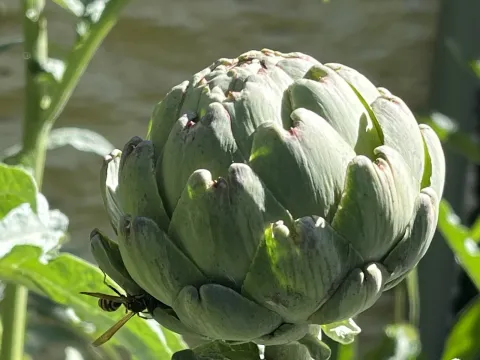
The globe artichoke (Cynara cardunculus) is a perennial plant belonging to the Asteraceae family. In temperate climates, it is often grown as an annual or biennial due to its limited cold hardiness.
2
items
What the section contains
Marketplace
Products in this section · 6


Artichoke
Seeds should be sown indoors in late February or early March to ensure enough growing time for the plants to produce flower buds during the first season.
Transplanting into the open field should only occur after the risk of spring frost has passed, as young plants are extremely sensitive to low temperatures.
For direct seeding in warmer regions, it is crucial to account for a long growing season required for the plant to mature and form its characteristic flower heads.
Proper spacing is essential for artichokes, requiring 70–80 cm between plants to accommodate the large, sprawling rosettes of foliage they develop.
Artichokes thrive in full sun and require a sheltered location to protect them from harsh winds, which can damage the tender buds and leaves.
The soil must be fertile, well-draining, and rich in organic matter, as the plant cannot tolerate waterlogged conditions that lead to root rot.
Regular irrigation is vital during the peak growing season, especially when the plant is forming its floral buds, to maintain consistent soil moisture.
Amending the soil with compost or well-rotted manure in the autumn helps to provide the necessary nutrients for vigorous plant development.
Applying nitrogen-based fertilizers during the early vegetative stage, followed by phosphorus and potassium during bud initiation, supports high yields.
Yields vary significantly based on the variety and local conditions, typically ranging from 5 to 15 buds per plant during a single harvest season.
The edible portion consists of the immature flower heads, which are harvested before the bracts begin to open and the internal floral parts emerge.
In addition to the buds, artichoke leaves are valued in pharmaceutical and nutraceutical industries for their high concentration of cynarin and antioxidants.
Productivity generally peaks in the second and third year of the plant's life, after which the crowns should be divided or replaced for continued output.
Efficient harvesting involves frequent checks to ensure that the buds are gathered when they are at their optimal size and most tender state.
Powdery mildew is a common fungal disease affecting artichokes, particularly in humid conditions with significant temperature fluctuations between day and night.
Root rot caused by poor soil drainage remains the most significant threat to plant longevity, necessitating careful management of irrigation cycles.
Common pests include aphids and plume moths, which can feed on the leaves and tunnel into the buds, significantly reducing the market value of the crop.
Integrated pest management, including regular weeding and the use of organic bio-insecticides, is recommended to keep pest populations under control.
In protected greenhouse environments, spider mites can become a nuisance, requiring prompt monitoring and the use of appropriate control measures.
Harvesting timing is critical; buds should be cut when the scales are tightly closed and before the flower starts to reveal its purple center.
The buds should be harvested with a short portion of the stalk, approximately 5–10 cm long, which helps maintain freshness during storage and transport.
Morning harvesting is preferred, as the buds are crisp and hydrated, which improves their texture and overall shelf life after being picked.
Prompt cooling after harvest is necessary to prevent wilting and to slow down the process of oxidation that causes the scales to brown.
When stored in a refrigerator at temperatures between 0–2 degrees Celsius, artichokes can remain fresh and usable for up to two weeks.