
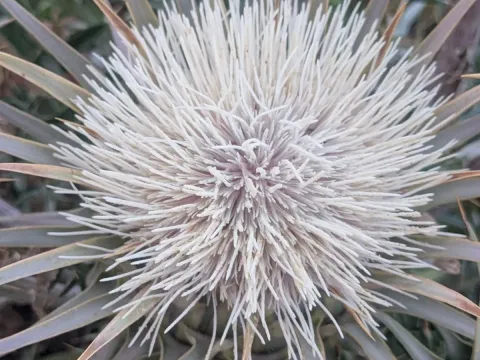
Spiny artichoke
Cynara cornigera
The sowing process for the spiny artichoke usually begins in late autumn or winter, depending on the climatic conditions of the cultivation region.
What the section contains
Spiny artichoke
Seeds should be sown in a warm greenhouse during the early spring to ensure robust seedling development before the final outdoor transplanting phase.
It is critical to maintain a consistent soil temperature of about 20 degrees Celsius to achieve optimal germination rates within the first few weeks.
When transplanting, ensure that the plants are spaced at least one meter apart to allow for the significant lateral growth typical of the Cynara species.
Providing adequate moisture during the establishment phase is essential for root system development, even for a plant that is relatively drought-tolerant later on.
Belonging to the Asteraceae family, the spiny artichoke thrives in Mediterranean-type climates, requiring long periods of sunlight and well-draining soil.
This plant prefers fertile, deep loam soils that prevent waterlogging, as the fleshy root system is highly susceptible to decay in stagnant water conditions.
Regular irrigation is necessary during the vegetative phase, but once the plants reach maturity, they can endure drier spells, which actually enhances their flavor.
The crop requires an open, airy location to minimize the risk of fungal infections caused by high humidity and poor air circulation within the canopy.
Soil pH should ideally be neutral or slightly alkaline, as the plant shows optimal nutrient uptake efficiency in these specific chemical environments.
Common pests include aphids, which often colonize the underside of leaves and developing buds, leading to stunted growth and damaged flower heads.
Fungal pathogens such as mildew and various root rots pose a significant threat, particularly in regions experiencing heavy seasonal rainfall during the growth phase.
Implementing a strict crop rotation schedule helps reduce the soil-borne pathogen load, which is essential for maintaining a healthy and productive artichoke patch.
Weed control is mandatory during the initial stages of growth to eliminate competition for light and nutrients, which are critical for the plant's survival.
- Regular monitoring for signs of infestation.
- Use of neem oil or similar organic deterrents for minor pest outbreaks.
- Adequate spacing to ensure proper airflow through the rows.
The harvest of the spiny artichoke involves carefully selecting the flower heads before the bracts begin to open and reveal the internal florets.
Because of the sharp spines, heavy gloves are highly recommended to prevent injury during the picking process in the field.
Harvested heads should be kept in a cool, shaded environment immediately after cutting to preserve their moisture content and structural integrity.
The secondary shoots can also be harvested after the main terminal head is removed, extending the productive season of the individual artichoke plant.
Proper culinary preparation involves removing the tough, spiny bracts to reach the tender heart, which is highly valued for its distinct nutritional profile.