
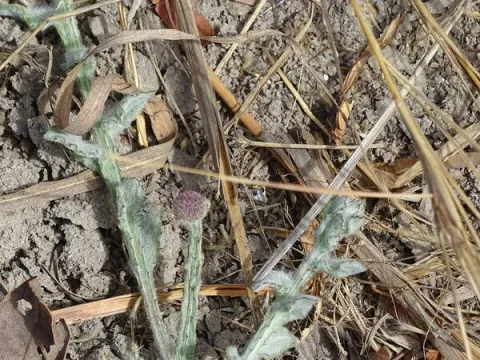
Sphaeranthus senegalensis
Sphaeranthus senegalensis
Sphaeranthus senegalensis is a plant species belonging to the Asteraceae family. Known for its medicinal properties, this herb is native to the tropical regions of Africa and parts of Asia, where it thrives in diverse wetland ecosystems.
What the section contains
Sphaeranthus senegalensis
The species typically grows in damp habitats, such as riverbanks, marshy lands, and flood-prone plains. Its biological cycle is deeply linked to the availability of water, which makes moisture management the most critical aspect of its cultivation.
Regarding soil requirements, the plant prefers fertile, moisture-retentive substrates. Clay-loam soils that maintain structure and nutrients are ideal for maximizing biomass production and the synthesis of secondary metabolites.
Climate conditions are decisive for the success of Sphaeranthus senegalensis. It requires warm, tropical temperatures ranging from 22°C to 30°C and a high degree of solar radiation. Frost or prolonged cold periods are lethal to this plant.
In terms of agricultural utility, the plant is primarily harvested for its therapeutic applications. It is valued for its potential in treating various inflammatory conditions, which encourages controlled cultivation in gardens and rural farm systems.
The primary threats to Sphaeranthus senegalensis include various soil-borne pathogens. Root rot caused by fungal activity is common, especially in environments where drainage is insufficient or water stagnation occurs.
Foliar diseases such as powdery mildew represent a constant risk during periods of high atmospheric humidity combined with limited air movement. These diseases can significantly degrade the quality of the raw herbal material.
Pests such as aphids and leaf-sucking insects can attack the plant during its active growth phases. Infestations lead to stunted development and may transmit viral diseases, requiring diligent monitoring of the fields.
Nematode infestation in the soil is another potential risk that requires proper crop rotation strategies. Ensuring a clean growing environment through soil solarization or organic amendments helps mitigate this problem effectively.
An integrated pest management (IPM) approach is recommended for commercial cultivation. This involves the use of biological control agents and resistant practices to ensure sustainable yield and high-quality product output.