
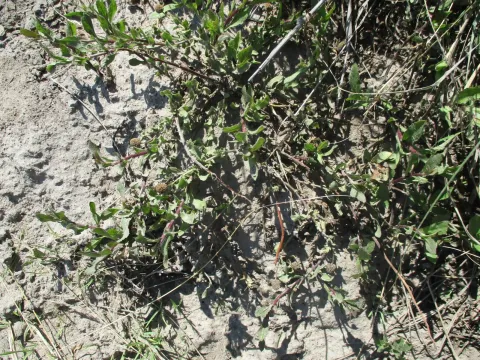
Sphaeranthus flexuosus
Sphaeranthus flexuosus
Sphaeranthus flexuosus belongs to the Asteraceae family and is recognized for its unique, contorted stem structure. Native to specific tropical and subtropical regions, this plant is gaining interest as a specialty crop for various industrial and medicinal applications.
What the section contains
Sphaeranthus flexuosus
The cultivation cycle begins with sowing in well-prepared seedbeds once soil temperatures consistently exceed 20 degrees Celsius. Due to the small size of the seeds, they are typically sown at a shallow depth to ensure sufficient light exposure for germination.
In field production, spacing is a critical factor. Proper plant density is essential to facilitate airflow, which is necessary to minimize the risk of moisture-related diseases that can thrive in the dense canopy of this species.
The selection of a suitable site should prioritize areas with full sun exposure. Since the plant originates from variable environments, it exhibits significant resilience but thrives best under stable conditions provided by modern agricultural practices.
Successful establishment relies on keeping the seedbed moist without saturation. Once the seedlings reach a certain height, the frequency of irrigation can be adjusted to support robust root development and long-term plant health.
The crop demands well-drained soil with a slightly acidic to neutral pH. Heavy, waterlogged soils are detrimental to root health, so soil texture should be modified with organic amendments or sand to ensure optimal drainage.
Temperature management is crucial as Sphaeranthus flexuosus is highly sensitive to frost and cold snaps. The ideal thermal range for growth is between 22 and 30 degrees Celsius, which encourages rapid biomass accumulation.
Nutrient requirements focus on a balanced ratio of nitrogen, phosphorus, and potassium. Phosphorus is particularly important during the early stages of growth and flower development to ensure high-quality yields of the targeted plant parts.
Regular weeding is mandatory in the initial phase of development. Because Sphaeranthus species grow relatively slowly at first, they are easily outcompeted by aggressive weeds, which necessitates mechanical or manual intervention.
Irrigation should be timed to match the transpiration needs of the plant during the peak of the growing season. Efficient drip irrigation systems are recommended to deliver water directly to the root zone while keeping foliage dry.
Root rot, often caused by species of Pythium or Phytophthora, represents a major threat in humid or over-irrigated fields. These pathogens can cause sudden wilting and are difficult to eradicate once they become established.
Foliar diseases like powdery mildew can affect the plant during periods of high humidity and limited sunlight. Management involves timely application of appropriate fungicides and maintaining optimal plant spacing for better ventilation.
Insects such as mites and aphids are known to feed on the tender tissues of the plant. Monitoring these pests is essential to prevent significant damage to the floral structures, which are often the most valuable part of the crop.
Crop rotation is a fundamental practice to prevent the build-up of soil-borne diseases. Avoiding consecutive planting of Sphaeranthus or other closely related Asteraceae species on the same field helps maintain soil health.
In case of severe infestations or disease outbreaks, integrated pest management (IPM) strategies should be employed. This includes the use of biological control agents and targeted chemical applications to minimize environmental impact.