
Spilanthes
Spilanthes
Spilanthes is a heat-loving plant belonging to the Asteraceae family. It is native to tropical regions of South America, which dictates its preference for long, warm growing seasons and high humidity levels.
What the section contains


Spilanthes
In most regions, Spilanthes is started indoors from seeds about 6–8 weeks before the last frost date. The seeds require warmth and consistent moisture to germinate successfully, typically taking 10 to 14 days to emerge.
Transplanting to the garden should only occur once the soil has fully warmed up and all risk of cold nights has passed. A location with full sun exposure is essential for the plant to thrive and produce its signature flower heads.
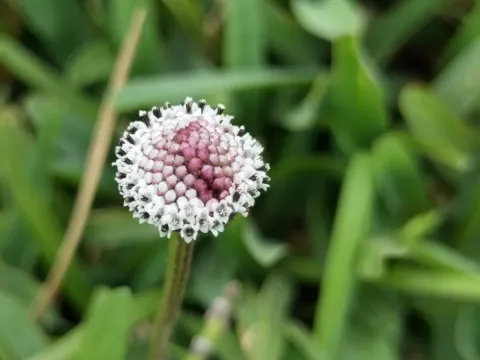
The plant grows as a low-spreading herb with distinct, cone-shaped, yellow-and-red flower heads. It is widely recognized for its unique sensation-inducing properties, caused by the active compound spilanthol found throughout the plant.
Known commonly as the toothache plant, it has been used for centuries in traditional medicine as a natural anesthetic for oral discomfort. Beyond its medicinal use, it is increasingly popular in culinary circles as a unique, spicy addition to exotic dishes.
Spilanthes thrives in temperatures ranging from 22°C to 30°C. If temperatures drop below 10°C, the growth rate significantly slows, and the plant may suffer from cold stress, making it an annual in cooler climates.
The soil should be fertile, well-draining, and rich in organic matter. A soil pH between 6.0 and 7.0 is optimal, allowing the roots to efficiently absorb the necessary nutrients for dense foliage growth.
Regular irrigation is required, particularly during peak summer months. However, the grower must be cautious to avoid waterlogged conditions, which frequently lead to root rot and other fungal diseases in this species.
Applying a balanced, water-soluble fertilizer every three to four weeks encourages vigorous growth. Nitrogen-rich fertilizers are particularly effective during the early stages of development to build a robust framework for the plant.
Providing adequate spacing is crucial; plants should be set 30 to 45 centimeters apart. This ensures sufficient airflow, which is a major factor in preventing the buildup of humidity that triggers common leaf diseases.
Spilanthes is generally hardy, but it can be susceptible to aphids, which tend to cluster on the succulent, rapidly growing tips of the stems. Early detection and treatment with organic insecticidal soap are recommended.
Powdery mildew represents a significant threat when air circulation is poor or humidity levels remain high for extended periods. Pruning congested branches can significantly improve the health of the individual plant.
Root rot is the most common killer of Spilanthes, usually caused by over-irrigation or planting in heavy, poorly draining clay soils. Ensuring proper soil preparation before planting is the best form of prevention.
Slugs and snails may attack young transplants during the spring. Implementing simple traps or using barrier methods can protect the delicate stems until the plant becomes more established and robust.
Maintaining a clean growing area by removing weeds and debris reduces the likelihood of pest infestations. Vigilant monitoring and quick action are the most effective ways to maintain a healthy and productive crop.
Harvesting usually begins in mid-summer when the plants have reached maturity. The highest concentration of the active compound, spilanthol, is found in the flower heads and the youngest, freshest leaves of the plant.
For fresh use, leaves and flowers can be harvested individually throughout the growing season. This frequent harvesting actually encourages the plant to produce more lateral shoots, increasing the total biomass over time.
When harvesting for dried medicinal use, the entire flower head should be cut during the peak of flowering. Drying should take place in a cool, dark, well-ventilated area to preserve the essential oils and flavor profiles.
If saving seeds, select the healthiest plants and allow the flower heads to darken and turn brown on the stem. Once completely dry, they can be harvested, threshed, and stored in a cool, dry container for the next season.
Effective harvesting management ensures a continuous supply of material for medicinal or culinary purposes. By balancing the harvest with the plant's growth rate, a gardener can maximize yield until the first frost kills the plants.